Choosing the right nicotine strength is crucial for a satisfying experience. Many people struggle with this decision. It’s essential to know how to choose the right nicotine strength that suits your personal needs.
Understanding your nicotine tolerance is a vital step. Beginners might benefit from lighter strengths, while experienced users may prefer higher levels. Consider your previous experiences and habits. Were you a heavy smoker or a casual user? This reflection can guide your choice.
The goal is to enhance enjoyment without discomfort. Too high a strength can lead to unpleasant sensations, while too low may not satisfy you. This balance is often misjudged, and it’s important to reconsider your preferences regularly. Experimentation plays a role. Trying different strengths can help you find the perfect fit. Remember, this journey is personal and might require some adjustments along the way.
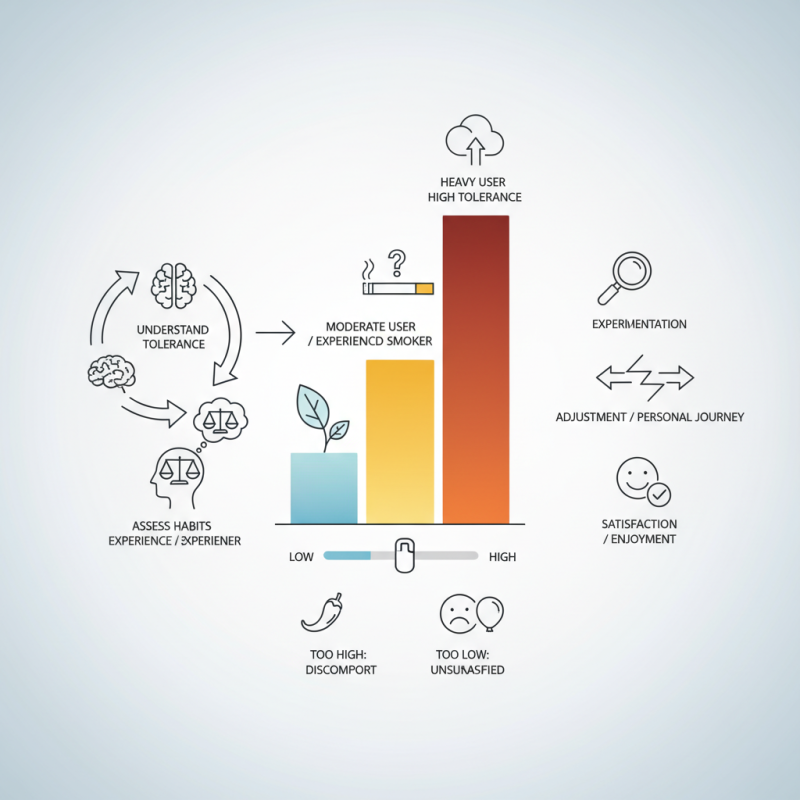
Understanding nicotine strength is essential for both new and seasoned users of nicotine products. A comprehensive overview reveals that nicotine strength directly impacts user experience. According to industry reports, the average nicotine concentration in e-liquids ranges from 0 mg to 50 mg per ml. This range accommodates various preferences and tolerances. Lower strengths, such as 3 mg per ml, appeal to light users, while those seeking a more intense experience might opt for 24 mg per ml or higher.
Research suggests that nearly 70% of users choose nicotine levels based on their withdrawal symptoms. Most users assume that higher concentrations will deliver greater satisfaction. However, excessive nicotine can lead to discomfort and potential health risks. This paradox highlights the importance of gradual adjustments. Health professionals emphasize understanding personal limits to make informed choices about nicotine strength.
Moreover, a user's choice can change over time, reflecting their evolving needs. Beginners might start with lower doses, but a shift to higher concentrations can occur with prolonged use. The subjective nature of nicotine experience means not every user reacts the same. Getting to know one’s ideal nicotine strength requires reflection and experimentation.
When choosing the right nicotine strength, several factors come into play. Understanding personal preferences is crucial. Studies indicate that nearly 70% of users prefer lower nicotine levels for a smoother experience. Conversely, beginners often opt for higher strengths to curb cravings effectively.
Individual tolerance is another key aspect. New users may find stronger options overwhelming. Data suggests that about 40% of first-time users reported experiencing discomfort with higher strengths. This highlights the importance of starting low and gradually adjusting.
Another influencing factor is the method of consumption. Different delivery systems affect nicotine absorption rates. For instance, devices with higher wattage tend to provide a more intense hit. According to industry reports, users of sub-ohm devices favor stronger nicotine options, while those using pod systems lean towards mid-range levels. Balancing these elements can greatly enhance satisfaction and prevent adverse experiences.
Assessing your current nicotine consumption is crucial for choosing the right strength. Many users underestimate their intake. Studies show that about 60% of individuals do not accurately track their nicotine levels. This can lead to choosing a strength that is either too high or too low.
To properly evaluate your consumption, start by recording your daily habits. How often do you use nicotine products? What is the average quantity? For instance, if you consume a pack of cigarettes daily, that’s approximately 20 mg of nicotine. According to the CDC, about 70% of nicotine users are unaware of their actual consumption rate. This can hinder their efforts to reduce intake effectively.
You may feel tempted to guess your level. But is that effective? Many find themselves caught in a cycle of buying products that don't meet their needs. Trial and error can be frustrating. Having accurate data about your habits is essential for making informed decisions. Regular self-assessment enhances your understanding, ultimately guiding you toward a more suitable nicotine strength.
| Nicotine Strength (mg/ml) | Ideal User | Usage Context | Notes |
|---|---|---|---|
| 0 | Non-smokers | Social/Occasional Use | No nicotine, suitable for flavor |
| 3 | Light Smokers | Daily Use | Mild hit, suitable for relaxation |
| 6 | Moderate Smokers | Frequent Use | Balanced for daily use |
| 12 | Heavy Smokers | Regular Use | Stronger hit, to satisfy cravings |
| 18 | Very Heavy Smokers | Constant Use | High nicotine strength for addiction |
When choosing a nicotine product, understanding the various types and their strengths is crucial. There are primarily three forms: traditional cigarettes, e-cigarettes, and nicotine pouches. Each one offers unique experiences and nicotine levels. Cigarettes usually contain higher nicotine, often ranging from 10 to 20 mg. This level appeals to those seeking a strong hit.
E-cigarettes provide flexibility. Users can find options with low, medium, or high nicotine concentrations. Typically, e-liquids range from 3 mg to 50 mg or more. Choosing a lower concentration can be helpful for newcomers. They may find stronger options overwhelming. On the other hand, seasoned users often prefer the higher levels for satisfaction.
Nicotine pouches are a newer alternative. They offer a smoke-free option with strengths between 2 mg to 8 mg. These can be appealing for those looking to transition away from traditional products but still wanting nicotine. Balancing personal preference and tolerance is essential. Experimenting with different strengths can lead to a better experience, though it may take time to find the right fit.
Choosing the right nicotine strength is crucial for those looking to gradually reduce their intake. Studies show that a slow tapering approach can enhance the chances of quitting successfully. For example, a report from the National Institute on Drug Abuse highlights that individuals who reduce their nicotine levels over time are 30% more likely to stop altogether compared to those who go cold turkey.
When selecting nicotine strength, start with your current intake. A common recommendation is to decrease by small increments, such as 3mg per week. Many experts argue that dropping too fast can lead to cravings and relapses. Research indicates that psychological factors often play a role, where users feel a strong attachment to certain nicotine levels.
Reflecting on personal habits is essential. Sometimes, individuals may stick to higher strengths out of habit rather than necessity. Understanding your body's response to change can significantly impact your journey. Gradual reduction not only allows for physical adjustments but also provides time to reevaluate emotional triggers linked to nicotine use.
This chart illustrates the recommended nicotine strengths for various vaping experiences, focusing on gradual nicotine strength reduction.
: Personal preferences, individual tolerance, and consumption method play significant roles in choosing nicotine strength.
Beginners choose higher strengths to effectively curb cravings and manage withdrawal symptoms during initial use.
Higher wattage devices deliver a more intense hit, while pod systems usually cater to mid-range nicotine levels.
Accurately assessing consumption helps avoid choosing incorrect nicotine strengths that either exceed or fall short of needs.
Approximately 60% of individuals do not accurately track their nicotine levels, which can misguide their product choices.
Record daily habits, including frequency and quantity of use, to understand your current nicotine consumption better.
The main types are traditional cigarettes, e-cigarettes, and nicotine pouches, each with varying strengths and experiences.
E-liquids usually range from 3 mg to over 50 mg, offering options for both newcomers and seasoned users.
Nicotine pouches are smoke-free alternatives with lower strengths, offering a gentler transition for those moving away from cigarettes.
If a strength feels too strong, consider trying lower concentrations to find a more comfortable and satisfying experience.
Choosing the right nicotine strength is crucial for both new and experienced users seeking to manage their nicotine consumption effectively. Understanding nicotine strength involves a comprehensive overview of how different strengths can affect users based on personal preferences and consumption habits. Factors influencing this selection include individual tolerance levels, the type of nicotine product used, and lifestyle considerations.
To assess current nicotine consumption, users should reflect on their smoking habits, frequency, and the amount of nicotine they typically ingest. With various types of nicotine products available, each offering different strengths, it's essential to understand how these options match one's needs. Finally, for those looking to reduce their nicotine intake, gradual strength reduction can foster a smooth transition towards lower dependency levels, making the process more manageable.
