Disposable vaping products are changing quickly, with major differences in capacity, battery design, airflow, and advertised puff counts. This guide examines 2026 disposable types through a practical, evidence-based lens. It focuses on lawful adult use and responsible product selection, not modifications or excessive consumption.
Market claims need caution. Grand View Research has reported continued growth in the global e-cigarette market, while also noting differences between product categories and regional regulations. The U.S. Food and Drug Administration has repeatedly emphasized that authorized products, labeling, and safety controls matter more than attractive packaging. The CDC’s National Youth Tobacco Survey also shows why age restrictions and public-health guidance remain essential. Advertised puff numbers are not universal measurements. They depend on laboratory puff duration, airflow, liquid volume, and battery performance.
So, how to get more puffs out of a disposable should begin with realistic expectations. Choose a legally sold product with clear specifications, intact packaging, and a reputable manufacturer. Shorter, gentler draws may reduce liquid waste, but they do not make the device limitless. Store it upright, away from heat and direct sunlight. Do not open a sealed device. Do not recharge a non-rechargeable model. Never bypass safety features.
Small details matter. A hot device, weak airflow, or burnt taste can signal a problem. Stop using it.
Some puff-count comparisons remain imperfect because testing methods differ across brands. That limitation deserves attention. Buyers should compare liquid volume, battery capacity, laboratory disclosures, and regulatory status instead of trusting one large number. This approach is less exciting, but far more reliable.
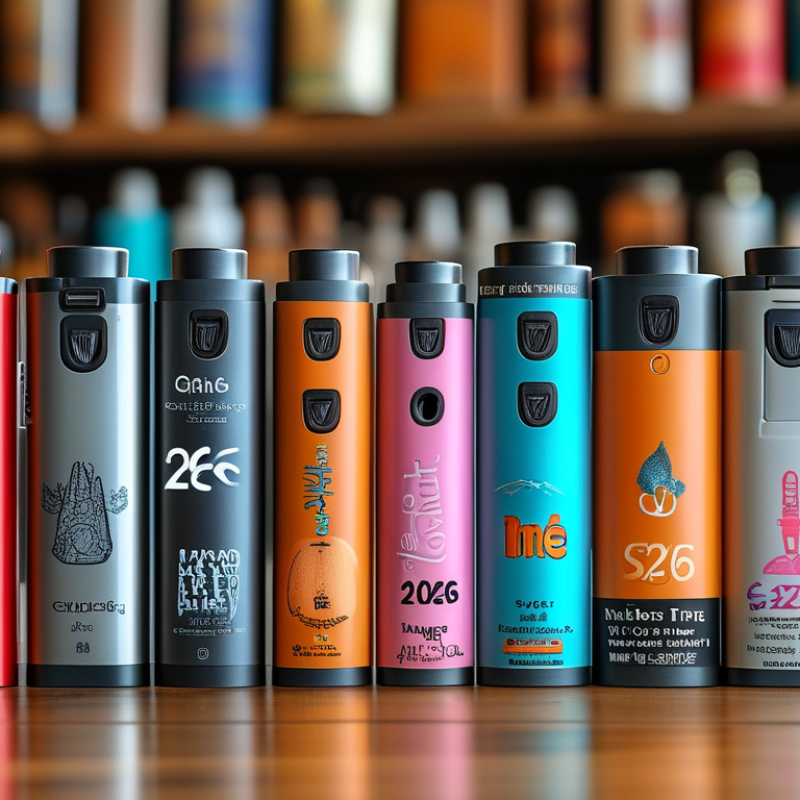
Disposable Vape Types in 2026: A Clear Guide to Key Differences
Disposable Vape Types in 2026: A Clear Guide to Key Differences
Disposable vapes now differ in more than flavor and appearance. Standard prefilled models are compact, simple, and ready to use. They usually offer fewer puffs and a fixed battery. Rechargeable disposables include a charging port, allowing the battery to last until the liquid runs out. High-capacity models hold more e-liquid, but they are larger and heavier. Mesh-coil designs can produce smoother vapor and clearer flavor. Adjustable airflow changes the draw from tight to airy.
Puff counts are estimates, not guarantees. A long, deep inhale uses more liquid than a short draw. Frequent chain vaping can also heat the coil and create a dry, harsh taste. Shorter draws may help the device last longer, but they should never encourage excessive nicotine use. Choose only products intended for legal adult use in your location. Do not refill, open, or modify a disposable device.
Storage affects performance, too. Keep it upright, away from heat, sunlight, and moisture. A cold device may produce weak vapor at first. Warm it naturally in your hand. Do not use it if the casing leaks, swells, or becomes unusually hot. In real use, advertised puff numbers often feel optimistic. I would compare liquid capacity, battery design, airflow, and safety information before trusting a large number. More puffs are not always better.
How Puff Counts Are Estimated and Why Real Results Vary
Puff counts on disposable devices are estimates, not promises. Manufacturers usually test them with short, consistent draws in controlled conditions. Real users rarely vape that way. A two-second draw may produce a very different result from a five-second draw. Longer draws consume more liquid and battery power. Warm temperatures can also change vapor output.
In practical use, puff numbers depend on liquid capacity, battery size, airflow, coil design, and draw frequency. Higher-capacity types may offer more puffs, but they can also feel less consistent near the end. A weak battery may stop heating while liquid remains. I have seen users blame the device when their longer, deeper draws caused the difference. That explanation is often correct, though not always. The printed number should be treated as a comparison guide, not a guarantee.
Tips:
Keep draws steady and moderate, and avoid repeated pulls without pauses. Store the device away from heat and direct sunlight. Check for unusual taste, leaking, or reduced vapor, and stop using it if these appear. Compare products by capacity and published specifications, not puff count alone. Follow local age, disposal, and safety rules. A simple usage log can help reveal your real average, but even that method has limits. Different days create different habits.
Choosing Battery Capacity, E-Liquid Volume, and Coil Design
2026 Best Disposable Types: How to Get More Puffs?
Choosing a disposable device for longer use starts with battery capacity. A higher milliamp-hour rating usually supports more draws, but capacity alone cannot guarantee performance. Check the printed battery specification and compare it with the stated e-liquid volume. Puff counts are estimates, not promises. A 1.5-second draw consumes less liquid than a four-second draw. Frequent deep inhales can empty the device much sooner. Real usage varies.
E-liquid volume is equally important. A larger legal fill volume may provide more puffs, provided the coil uses liquid efficiently. Look for clear labeling, batch details, and safety information from the manufacturer.
I have found that vague specifications make comparisons unreliable. That assumption is easy to miss. A device with more liquid can still finish early if its coil runs hot.
Coil design changes both flavor and consumption. Mesh coils often heat evenly and produce consistent vapor, while smaller traditional coils may use less liquid per draw. Airflow also matters. A loose draw can increase vapor output and liquid use. A comfortable, moderate draw is usually more efficient. Stop using any device that tastes burnt, leaks, or becomes unusually hot. Do not modify sealed hardware or recharge a product not designed for charging. Store it away from children and dispose of it through appropriate local waste channels.
Practical Ways to Get More Puffs Without Altering the Device
2026 Best Disposable Types: How to Get More Puffs?
Practical Ways to Get More Puffs Without Altering the Device
Puff counts are estimates, not guarantees. CORESTA testing uses fixed conditions, including 55-millilitre puffs and timed intervals. Real use is different. The National Academies of Sciences, Engineering, and Medicine also reported that nicotine delivery changes with device design and puffing behaviour. Choose legal, compliant products with clear capacity labels and batch information. Avoid damaged packaging.
Small habits can improve consistency. Keep the device upright in a cool, dry place. Heat can affect battery performance and liquid flow. Use gentle, steady puffs instead of long, forceful draws. Leave a short pause between puffs. This helps the heating element recover and may reduce burnt-tasting vapour. Do not cover airflow openings. Do not recharge or open a device unless the manufacturer specifically designed it for that purpose.
Tips: Check the device before use. Stop if it becomes unusually hot, leaks, tastes burnt, or shows physical damage. Never leave it in a car or direct sunlight. The advertised number may still feel optimistic, especially with frequent long draws. That is worth remembering. For accurate comparisons, review independent testing and regulatory information, not only online advertisements. Use only as directed and only where legally permitted.
2026 Best Disposable Types: How to Get More Puffs?
Practical ways to extend use without altering the device include taking shorter, steady puffs and avoiding continuous back-to-back use.
The chart uses a normalized model based on the relationship between puff duration and e-liquid consumption. A 3-second puff is treated as the 100% reference point. Shorter puffs generally consume less liquid per puff, while actual results vary with airflow, heating control, battery condition, liquid volume, and the device’s automatic cutoff.
- Use shorter, consistent puffs instead of long draws.
- Allow sufficient time between puffs to reduce heat buildup.
- Store the device at moderate room temperature and keep it away from direct sunlight.
- Keep the mouthpiece and airflow openings clean and unobstructed.
Reference basis: standardized aerosol-testing practices commonly use a 3-second puff as a comparison condition. The values shown are calculated estimates, not brand-specific performance claims.
Safety, Storage, and Responsible Use for Longer Device Life
2026 Best Disposable Types: How to Get More Puffs?
Longer device life begins with safer habits, not longer sessions.
CORESTA Recommended Method 81 uses controlled 55 mL puffs, lasting three seconds, with 30-second intervals. Real users often puff faster and deeper. Therefore, advertised puff counts are laboratory estimates, not personal guarantees. Slow, moderate use can reduce overheating and preserve battery performance. Avoid chain vaping. Your lungs need breaks too.
Store the device in a cool, dry place. Keep it away from direct sunlight, heaters, water, children, and pets. Do not leave it inside a hot car. The National Fire Protection Association advises protecting lithium-ion devices from crushing, punctures, and extreme heat. A damaged device can become unsafe, even when it looks normal. Stop using it if the casing swells, leaks, becomes unusually hot, or tastes burnt. Do not open, refill, or modify it.
Keep the mouthpiece covered when practical. Avoid carrying the device beside keys or loose metal objects. Never charge a disposable device unless its instructions clearly permit charging. Dispose of depleted or damaged units through local battery or e-waste programs. The U.S. Environmental Protection Agency identifies lithium batteries as a recycling concern because careless disposal can cause fires. I still see one avoidable mistake: treating fewer visible problems as proof of safety. Responsible use means stopping early, not chasing every advertised puff.
Conclusion
Disposable vape devices in 2026 come in several types, with differences in battery capacity, e-liquid volume, airflow, coil design, and puff-count ratings. This guide explains how manufacturers estimate puff numbers and why real results can vary depending on puff length, frequency, inhalation style, and storage conditions. Understanding these features can help users choose a device that better matches their needs without relying only on the advertised count.
It also explores how to get more puffs out of a disposable through responsible, non-invasive habits, such as taking shorter, gentler puffs, avoiding frequent chain use, and storing the device in a cool, dry place away from direct sunlight. Users should keep the device clean, follow its instructions, avoid exposing it to heat or water, and stop using it if it becomes damaged, unusually hot, or produces an abnormal taste. Responsible use and proper disposal are essential for safety and longer device life.

 VEXEL Vape