Understanding the nicotine delivery capacity of disposable vapes is crucial for users. Many people wonder how many cigarettes are in a disposable vape. This question highlights the need for clarity on the equivalence between vaping and traditional smoking.
Disposable vapes often contain varying amounts of nicotine, typically ranging from 1.5% to 5%. This variation can significantly affect the number of cigarettes one might equivalently consume. For example, one disposable vape might deliver as much nicotine as a pack of cigarettes, while another may deliver less.
As consumers navigate this landscape, the comparison becomes essential. Misunderstanding the nicotine content can lead to unintended usage patterns. Users should reflect on their choices and recognize that vaping may not be a safer alternative. Many believe vaping is harmless, but it’s vital to educate oneself about its true effects.
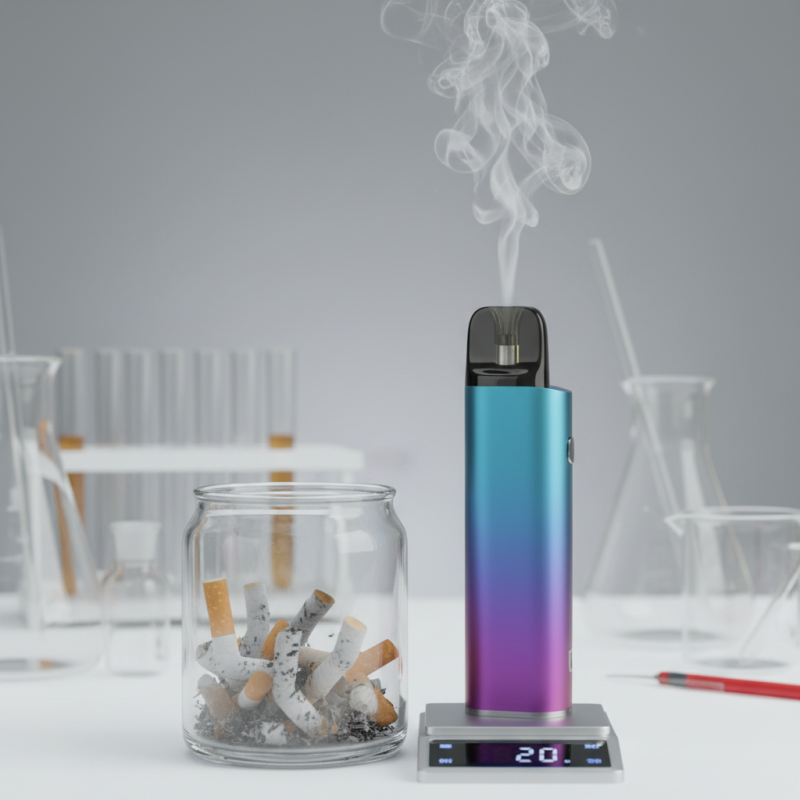
Disposable vapes have gained popularity as an alternative to traditional cigarettes. Understanding their composition reveals significant differences. Disposable vapes typically contain e-liquid, which is a combination of propylene glycol, vegetable glycerin, nicotine, and flavorings. In contrast, cigarettes consist of tobacco, additives, and various chemicals produced during combustion. This distinction affects not only taste but also health impacts.
The nicotine content in disposable vapes varies widely. A standard vape might contain as much nicotine as a pack of cigarettes. However, the delivery method differs. Vaping often provides a smoother experience. But there are concerns. Inhaling vapor exposes users to fewer toxins than smoke. Yet, long-term effects are still not fully understood. This lack of clarity can lead to misconceptions about safety.
Health experts urge caution. Users should be informed about potential risks. The shift from cigarettes to vapes does not guarantee a safer option. As vaping evolves, so does regulation and consumer behavior. The need for continual education on these products is vital. Ultimately, users are responsible for understanding what they inhale.
This chart illustrates the nicotine content in a typical disposable vape compared to a regular cigarette. While a standard disposable vape might contain around 20 mg of nicotine, a regular cigarette contains about 12 mg. This highlights the potential nicotine intake when switching from traditional smoking to vaping.
Disposable vapes are becoming popular among users transitioning from traditional cigarettes. Understanding the nicotine content in these devices is essential. The average nicotine level in disposable vapes can range significantly. Typically, it can be between 20 mg/ml to 50 mg/ml, depending on the brand. In contrast, a traditional cigarette delivers about 1 mg of nicotine per puff.
This means that a single vape pod can contain the nicotine equivalent of many cigarettes. If you're using a high-nicotine disposable vape, it may equate to several packs of cigarettes over time. Pay attention to the quantity you consume. Users should be aware of their limits and nicotine intake.
Tips for those considering disposable vapes:
Engaging in mindful vaping can help you make thoughtful decisions about your habits. Reflect on why you're choosing to vape. Is it a healthier alternative, or just a new habit? Taking these steps can lead to a more informed approach to vaping.
When comparing disposable vapes to traditional cigarettes, the analysis often focuses on the number of puffs. Research indicates that a typical disposable vape contains about 300 to 500 puffs. In contrast, a single cigarette generally yields around 10 to 15 puffs. This rough calculation suggests that one disposable vape may equal 20 to 50 cigarettes, depending on individual usage patterns.
However, drawing direct parallels between vaping and smoking is complex. Different brands and vape types deliver varying amounts of nicotine per puff. For instance, some studies found that vape devices can vary in nicotine concentration by up to 50%. This variability can lead to an inaccurate estimation of the cigarette equivalent, making reliable comparisons challenging. The actual experience of satisfaction varies widely among users due to factors like draw resistance and vapor production.
Moreover, while vapes might seem less harmful than cigarettes, they still pose risks. Some reports indicate that vaping can still expose users to harmful substances, such as formaldehyde and acrolein. These compounds could have long-term health implications. Establishing a clear understanding of what a vape truly equates to in cigarettes requires more robust, ongoing research and reflection on usage habits among consumers.
The health implications of using vapes compared to traditional cigarettes merit serious consideration. Many turn to vaping, thinking it’s a safer alternative. However, research shows that vapes are not without their risks. They contain nicotine, which is addictive, impacting the brain significantly. Regular use can lead to dependence, impacting mental health and daily life.
Some users may believe that vaping has fewer harmful effects. Studies suggest that certain toxic substances are still present in e-liquids. These substances can lead to respiratory issues, which is concerning. Many might experience symptoms like coughing or wheezing. It's crucial to understand that the long-term effects of vaping remain largely unknown. Users should proceed with caution and consider potential health risks.
It's easy to overlook these dangers. Social perceptions often portray vaping as trendy and modern. Yet, the reality may be far from benign. Awareness about the risks involved is essential for those making a choice between vaping and smoking. Individuals should weigh the immediate appeal against potential health consequences. Reflecting on personal choices can help guide a healthier lifestyle.
Disposable vapes have surged in popularity among both smokers and non-smokers. A recent report from the National Institute on Drug Abuse highlights that approximately 20% of U.S. high school students reported using e-cigarettes in 2022. This growing trend reflects a shift in consumer preferences towards convenient alternatives to traditional cigarettes.
Interestingly, data shows that many adults see disposable vapes as a less harmful alternative. According to a study published in the Journal of Public Health, over 50% of former smokers now use disposable vapes to help curb cravings. This shift indicates that both demographics are drawn to the flavor variety and ease of use these devices offer. However, this appeal raises concerns regarding the long-term implications of vape usage on public health.
Tips: If you are considering switching from traditional cigarettes to disposable vapes, be aware of potential health effects. Research suggests that while vaping may reduce some risks, it is not risk-free. Monitor your usage and choose devices that provide accurate nicotine delivery. Understand that habits can change over time, and staying informed helps maintain healthier choices.
: Disposable vapes typically have nicotine levels between 20 mg/ml to 50 mg/ml.
A single puff from a cigarette contains about 1 mg of nicotine, which is much lower than some vape pods.
Monitoring helps avoid overconsumption and promotes healthier habits. It’s easy to underestimate intake.
Yes, vaping contains nicotine and other toxins that can affect mental health and respiratory function.
Many perceive vaping as a safer choice, but it still carries health risks and potential for addiction.
Reflecting on personal reasons for vaping and setting usage limits can lead to informed decisions.
The long-term health implications remain largely unknown, highlighting the need for cautious use and awareness.
About 20% of U.S. high school students reported using e-cigarettes in 2022, showing increased appeal.
Former smokers should research potential health effects and maintain awareness of nicotine intake.
Yes, habits can evolve, which makes it essential to stay informed about usage and health impacts.
The article "How Many Cigarettes Equivalent Are in a Disposable Vape?" explores the various aspects of disposable vapes in comparison to traditional cigarettes. It begins by examining the composition of disposable vapes and how their nicotine content compares to that of traditional cigarettes. The discussion includes an analysis of the average nicotine content found in both products, ultimately leading to a calculation of how many cigarettes are in a disposable vape, which varies based on the number of puffs taken.
Furthermore, the article delves into the health implications of vaping in comparison to smoking, highlighting the concerns and benefits associated with both practices. It also addresses consumer trends, noting the growing popularity of disposable vapes among both smokers and non-smokers alike. By understanding these factors, readers gain insight into the implications of switching from cigarettes to vaping and the potential health outcomes associated with each option.
