As the popularity of disposable vapes continues to rise, so does the need for responsible disposal methods. Jesse Green, a waste management expert, emphasizes, "Understanding how to recycle disposable vapes properly is crucial for our environment." With the increasing number of vapers, improper disposal poses significant risks to nature and public health.
Recycling disposable vapes properly is not just a suggestion; it is an urgent necessity. Each device contains lithium batteries and other materials that can harm the ecosystem when thrown away carelessly. Many users remain unaware of effective recycling methods, often leading to waste and pollution. Awareness surrounding sustainable practices is still evolving.
The journey toward eco-friendliness starts with education and action. Finding dedicated recycling programs can make a difference. Yet, it’s not always easy to find these resources. Engaging in dialogue with manufacturers about better disposal systems may also be essential. The importance of learning how to recycle disposable vapes properly cannot be understated. It requires commitment from both consumers and industry leaders to create a sustainable future.
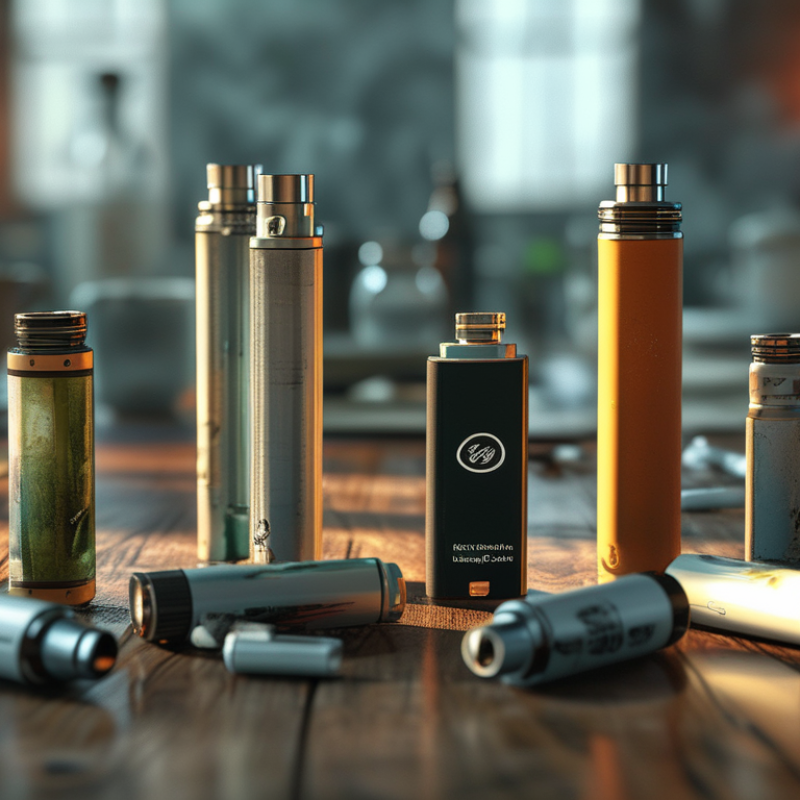
Disposable vapes have a significant environmental impact that often goes unnoticed. They contain materials that are harmful if not disposed of properly. The plastic and metal components can take centuries to decompose. Moreover, the lithium batteries pose a serious threat to ecosystems if they leak into landfills. Many users are unaware of these dangers and how their waste contributes to pollution.
Improper disposal of disposable vapes can lead to chemical contamination. Vaping devices often end up in regular trash, adding to landfill waste. This practice damages soil and water sources. Recyclable materials in these devices need to be separated to avoid such damage. Education about proper recycling processes is crucial. It's important to understand that vapes should not just be thrown away.
Finding recycling programs can be a struggle. Not all areas have facilities that recycle electronic waste. This lack of resources complicates eco-friendly efforts. Some users may not know where to begin. It’s vital to seek information on local recycling options. Greater awareness will encourage responsible disposal practices among vape users. The responsibility to protect the environment extends to every individual.
Identifying recyclable components of disposable vapes is crucial for a greener planet. Start by examining the materials used. Most disposable vapes contain plastic, metal, and lithium batteries. These components often vary in recyclability based on local programs.
The plastic casing is generally recyclable, but it can be tricky. Check for recycling symbols and try to clean them first. Lithium batteries, common in vapes, require special handling. Many communities offer battery recycling programs. It’s essential to educate yourself on your local recycling guidelines.
Sometimes, it feels overwhelming to recycle properly. Perhaps you've thrown away a vape, unsure of its parts. This reflects a larger issue in waste management. Many people overlook their role in recycling e-waste. Finding a designated recycling facility can take time and effort. However, the positive impact makes it worthwhile. Consider taking this extra step. Your choices matter in the fight against pollution.
When it comes to disposing of disposable vapes, we've got to be responsible. Many people are unaware of the environmental impact. These products contain batteries and other materials that can be harmful when thrown away carelessly.
Begin by checking local regulations on vape disposal. Some areas have specific guidelines for electronic waste. If possible, look for designated collection points. Some retailers might also offer recycling programs. Remember to remove any remaining e-liquid from the device. It's essential to clean the device before disposing of it.
After ensuring it's empty, separate the battery from the vape. Place the battery in a safe recycling container. If the vape is made of recyclable materials, do your part to recycle those components. Yet, not all parts may be recyclable, so be cautious. This complex task often feels overwhelming, but every effort counts. A small step taken today can lead to a greener tomorrow.
Recycling e-waste and vape devices is crucial for environmental protection. Many people are unsure how to dispose of disposable vapes properly. The components in these devices often contain metals and plastics that can harm the environment if not handled correctly. Understanding how to recycle them is essential.
Start by removing the batteries, as they can be harmful if mixed with regular trash. Many communities offer designated drop-off points for batteries and e-waste. Search for local recycling programs specializing in electronic waste. This ensures that the materials are processed safely.
Some retailers also provide recycling services for vape products. Check if local shops have a recycling bin. Engaging in community clean-ups can raise awareness about e-waste. However, many still throw devices in the trash, highlighting a need for better education. Promoting proper recycling habits is vital for future sustainability. Every effort counts toward reducing waste.
The rise of disposable vapes has created a pressing need for responsible recycling practices. Many users may not realize that these devices contain materials harmful to the environment. According to recent industry reports, approximately 75% of vapes end up in landfills. This statistic underscores the importance of proper disposal and recycling efforts.
Finding the right resources for responsible vape recycling is crucial. Many local waste management facilities now offer specialized programs for electronic waste. It is advisable to visit municipal websites or contact local recycling centers to locate suitable disposal locations. Some major cities even have designated days for hazardous waste collection, where vapes can be safely dropped off.
In addition to local options, national organizations advocate for responsible disposal methods. They provide guidance on recycling batteries and electronic parts found in vapes. Engaging with these resources empowers users to make informed choices. Adopting eco-friendly habits requires ongoing education and community support regarding disposable vape disposal. Users can play a significant role in reducing environmental impact.
| Tip Number | Recycling Tips | Disposal Locations |
|---|---|---|
| 1 | Remove and recycle the plastic components. | Local electronics recycling centers. |
| 2 | Find designated vape recycling programs. | Check with local waste management services. |
| 3 | Contact local retailers for take-back programs. | Participating vape shops. |
| 4 | Avoid throwing vapes in general trash. | Household hazardous waste facilities. |
| 5 | Check for local battery recycling options. | Battery recycling drop-off locations. |
| 6 | Use specialized recycling mail-in services. | Mail-in recycling programs. |
| 7 | Store used vapes properly before recycling. | Home recycling storage bins. |
| 8 | Educate others about vape recycling. | Community workshops and events. |
| 9 | Look for local initiatives raising awareness. | Local clean-up events. |
| 10 | Follow guidelines for hazardous waste. | Municipal collection days for hazardous waste. |
: Begin by removing any remaining e-liquid from the device. Clean it thoroughly afterward.
Yes, check your local regulations. They may have specific rules for electronic waste disposal.
Yes, separate the battery from the device and place it in a designated recycling container.
If it contains recyclable parts, ensure you recycle those. However, not all components may be recyclable.
Some retailers offer recycling programs. It's worth checking with local shops for recycling options.
Improper disposal can harm the environment. Responsibly handling e-waste protects our surroundings.
Throwing them in the trash can release harmful materials into the environment. Education on this issue is necessary.
Participating in community clean-ups raises awareness. Engaging others promotes better recycling habits.
No, be cautious as not all parts are recyclable. Understanding what is safe to recycle is key.
Yes, it can feel complex, but every small step counts towards sustainability. Reflection on this process is important.
The article titled "10 Eco Friendly Tips on How to Recycle Disposable Vapes Properly" explores the environmental implications of disposable vapes, emphasizing the importance of responsible disposal practices. It begins by detailing the harmful effects these devices can have on the environment and outlines the recyclable components found within them.
Furthermore, the article provides a comprehensive step-by-step guide on how to recycle disposable vapes properly, ensuring that users can effectively contribute to reducing electronic waste. It also highlights best practices for recycling e-waste and vape devices, as well as valuable resources for locating responsible vape recycling and disposal facilities. By following these eco-friendly tips, individuals can play a key role in minimizing the ecological impact of disposable vapes.
