Knowing how to store disposable vapes long term starts with protecting the battery and keeping the device away from heat, moisture, and accidental damage. Store each vape in a cool, dry place, away from direct sunlight, radiators, and hot cars. A steady indoor temperature is generally more suitable than a garage or windowsill, where conditions can change quickly. Keep devices in their original packaging when possible, and place them somewhere children and pets cannot reach.
Small details matter. Avoid leaving a vape loose with keys, coins, or other metal objects that could damage it. Do not refrigerate or freeze it; condensation and extreme cold may affect the battery or device. Check the manufacturer’s storage guidance, since designs and recommended limits can differ. If a device becomes swollen, cracked, unusually warm, or starts leaking, do not use or charge it. Follow local guidance for safe battery or electronic-waste disposal.
Long-term storage does not preserve a vape indefinitely. The battery can lose charge, and liquid may change over time, even when the device looks untouched. That part is easy to overlook. If you are putting one away for months, write the storage date on its package and inspect it before handling later. These steps reduce avoidable risks, but they cannot guarantee that an old device remains safe or works as intended.
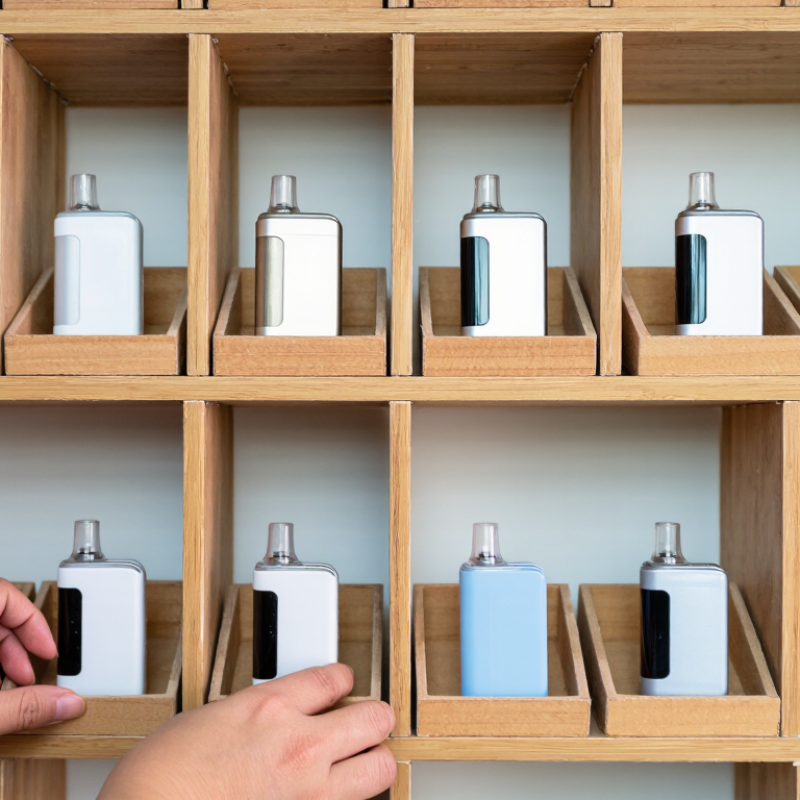
Before storing a disposable vape, inspect it in good light. The casing should be intact, with no cracks, dents, leaks, or unusual residue around the mouthpiece. Check for a loose component or a burnt, chemical-like smell. If anything seems damaged, do not use or charge the device; follow local guidance for battery-containing product disposal. Small details matter.
Read the manufacturer’s storage instructions for that exact device. They may specify a temperature range, warnings about moisture, or advice to keep the original packaging. Do not assume all disposables have the same battery or construction. In general, keep the device dry and away from direct sunlight, heaters, and hot cars. A cool, stable cupboard is often more suitable than a windowsill. Keep it out of reach of children and pets, and avoid placing it beside metal objects that could press against or damage it.
For long-term storage, check the device periodically for new swelling, leakage, or casing changes. Do not open it to inspect internal parts; these devices are not designed for user repair. If the guidance is missing, contact the manufacturer or retailer rather than guessing. I’ve found that packaging can be easy to misplace, so write down the model details before putting it away. A little inconvenient, perhaps, but safer than relying on memory.
A cool, dry cupboard is usually the safest storage spot for disposable vapes. Keep them away from windows, radiators, ovens, and parked cars. Direct sunlight can heat the battery and affect the device’s internal liquid. Even a warm afternoon can create risky conditions inside a closed vehicle.
Use a stable shelf with good airflow. Avoid bathrooms, garages, and damp basements. Moisture may damage electrical contacts and weaken the outer casing. Store each device upright when practical, preferably in its original packaging. Do not place heavy objects on top. Keep the area inaccessible to children and pets.
Check the device before storing it. Do not keep one with cracks, leaks, swelling, or unusual heat. A faint chemical smell deserves attention. Do not try to repair a damaged disposable vape. Follow the disposal guidance available in your area instead.
I once underestimated how quickly a sunny windowsill could become hot. That assumption was careless. A darker drawer would have been better. Avoid refrigerators and freezers, because condensation can form when the device returns to room temperature. Review the manufacturer’s storage instructions, since materials and battery designs can differ. Periodically inspect stored devices, but avoid unnecessary handling. Temperature changes matter more than people expect.
Moisture, pressure, and accidental activation are the main storage risks. Keep disposable vapes in a cool, dry room, ideally around 15–25°C. Avoid bathrooms, windowsills, and hot vehicles. Temperature swings can create condensation inside the device. Do not refrigerate it. A sealed plastic bag may trap moisture, so breathable original packaging is usually better.
Store each device separately, with its mouthpiece protected and airflow openings uncovered. Keep them away from keys, coins, and loose metal objects. A hard-sided container can prevent crushing inside a drawer or travel bag. NFPA lithium-ion battery guidance warns that physical damage and heat can increase fire risk. UL Research Institutes also identifies internal short circuits and thermal runaway as serious battery hazards. The FAA PackSafe incident database continues to record hundreds of lithium-battery incidents involving air transport, showing why pressure and careless packing matter.
Check the device before storage. Reject swelling, cracks, leakage, unusual warmth, or a sharp chemical smell. Do not press the body under books or clothing. Avoid placing it where movement could trigger the sensor. Disposable devices should not be opened, modified, or charged unless specifically designed for charging. That detail is easy to overlook. My own storage habit is not perfect: I sometimes keep one in a crowded drawer, which defeats the safety plan. A labeled, ventilated box is more reliable.
Keep disposable vapes in a locked, dry cabinet, well above a child’s reach. A high shelf is not enough; children climb, and pets can knock objects down. A CDC analysis of U.S. poison-center data recorded 1,789 e-cigarette liquid exposure calls from 2010 to 2014. About 51 percent involved children under five. That study concerned liquid exposures, not every type of vape, but it shows why access control matters. Keep devices in their original packaging when practical, and never leave one on a bedside table or in a handbag.
Separate vapes from candles, heaters, stoves, and other flammable materials. Choose a cool storage spot away from direct sunlight, radiators, and car dashboards. The U.S. Fire Administration warns that lithium-ion batteries can overheat and cause fires; a damaged, swollen, leaking, or unusually warm device should not be stored with other items. Don’t improvise with a sealed tin or a pile of loose objects. That may feel tidy, but it can hide damage or trap heat. Check the storage area occasionally, especially if devices will sit unused for weeks. Keep them out of sight, but not forgotten.
| Storage Factor | Safe Practice | Why It Matters |
|---|---|---|
| Children and pets | Keep devices in a locked or otherwise inaccessible place, in their original packaging when available. Do not leave them on counters, bedside tables, or in bags where children or pets can reach them. | Nicotine liquid can cause poisoning if swallowed or absorbed. Small devices and parts can also present choking risks. |
| Flammable materials | Store away from paper, fabrics, fuels, aerosols, and other combustible materials. Keep the device clear of open flames and heat sources. | Disposable vapes contain lithium batteries, which can overheat or catch fire if damaged or exposed to unsafe conditions. |
| Temperature | Choose a cool, dry indoor location and follow the storage instructions on the product packaging. Avoid hot cars, direct sunlight, heaters, and freezing conditions. | Extreme temperatures can damage the battery or device and may affect the liquid inside. |
| Moisture and spills | Keep the device dry and away from sinks, bathrooms, and damp storage areas. Do not store it where it could be crushed or punctured. | Moisture and physical damage can compromise the device and its battery. |
| Charging and handling | Do not charge a disposable vape unless the device is specifically designed to be rechargeable and its instructions permit charging. Never use or store a device that is swollen, leaking, unusually hot, or visibly damaged. | Incorrect charging or use of a damaged lithium battery can create a fire or injury risk. |
| Long-term storage checks | Check stored devices periodically for leakage, damage, or unusual heat. Keep the packaging and safety information available, and follow the manufacturer’s storage guidance. | Regular checks can help identify a damaged device before it becomes a greater hazard. |
| Disposal | Do not place disposable vapes in household recycling or general rubbish unless local authorities specifically allow it. Use an approved battery or e-waste collection point, and follow local rules for nicotine-containing products. | Disposable vapes contain batteries and may contain nicotine; specialized collection helps reduce fire and environmental risks. |
Long-term storage begins with a cool, dry, and stable location. Keep disposable vapes away from sunlight, heaters, vehicles, and damp bathrooms. Excessive heat can damage the battery and cause leaking. Store each device upright, preferably in its original packaging. Keep them away from children, pets, keys, coins, and other metal objects. Never open, crush, modify, or recharge a disposable vape unless it was specifically designed for charging.
Inspect the vape periodically, even when it remains unused. Look for swelling, cracks, sticky liquid, corrosion, unusual smells, or a warm body. A mouthpiece that collects dust also deserves attention. Do not test a damaged device by using it. That small decision could create a larger hazard. No storage routine is perfect, and labels may fade over time. Marking the purchase date can help, although I would not rely on memory alone. If the device leaks, overheats, activates by itself, or appears damaged, isolate it from flammable materials. Do not puncture it, burn it, or place it in ordinary household trash. Contact a local battery or electronic-waste collection service, and follow its handling instructions.
Tips: Check stored devices every few months. Use clean, dry hands. Keep the storage area ventilated and uncluttered. If you feel uncertain, stop handling the device and seek local disposal guidance.
Use a cool, dry cupboard away from sunlight, heaters, windows, and parked cars. Keep the shelf stable and uncluttered.
Yes, store each device upright when practical. Keep it in its original packaging, and never place heavy objects on top.
Avoid refrigerators and freezers. Condensation may form when the device returns to room temperature. Not worth the risk.
Use a locked, dry cabinet above their reach. Do not rely on a high shelf alone. Children can climb, and pets can knock objects down.
Keep them away from candles, stoves, heaters, keys, coins, and other metal objects. Separate them from flammable materials.
Check them every few months. Look for swelling, cracks, leaks, corrosion, sticky liquid, unusual smells, or warmth. A dusty mouthpiece also deserves attention.
Stop handling it and isolate it from flammable materials. Do not open, crush, puncture, burn, repair, or use it. Contact a local battery or electronic-waste collection service.
Avoid both locations for long-term storage. Cars can become dangerously hot, while handbags may contain keys or coins. A locked cabinet is safer.
Mark the purchase date on the packaging. Memory fades. I once underestimated a sunny windowsill, and that assumption was careless.
Learning how to store disposable vapes long term safely starts with checking the device’s condition and reviewing the manufacturer’s storage guidance. Keep unused vapes in a cool, dry place away from direct sunlight, heaters, hot vehicles, and other sources of heat. Avoid locations exposed to moisture, heavy pressure, or frequent movement, and make sure the device cannot be activated accidentally. Storing it in a stable position with its original protective packaging can provide extra protection.
Keep disposable vapes out of reach of children and pets, and store them away from flammable materials. Inspect each device periodically for swelling, leaking, cracks, unusual odors, or other signs of damage. If a vape appears damaged, overheated, or faulty, do not use or attempt to repair it. Instead, follow local battery and electronic waste disposal guidance. These simple precautions can help preserve the device’s condition and reduce avoidable storage risks.
