Why Are the Ingredients in Disposable Vape Juice Important?

Time:2026-05-19 Author:Isabella
0%

Understanding what are the ingredients in disposable vape juice is crucial for users. Dr. Emily Smith, a leading expert in vaping research, emphasizes, "Consumers must be aware of what they inhale." The ingredients significantly influence both safety and flavor.

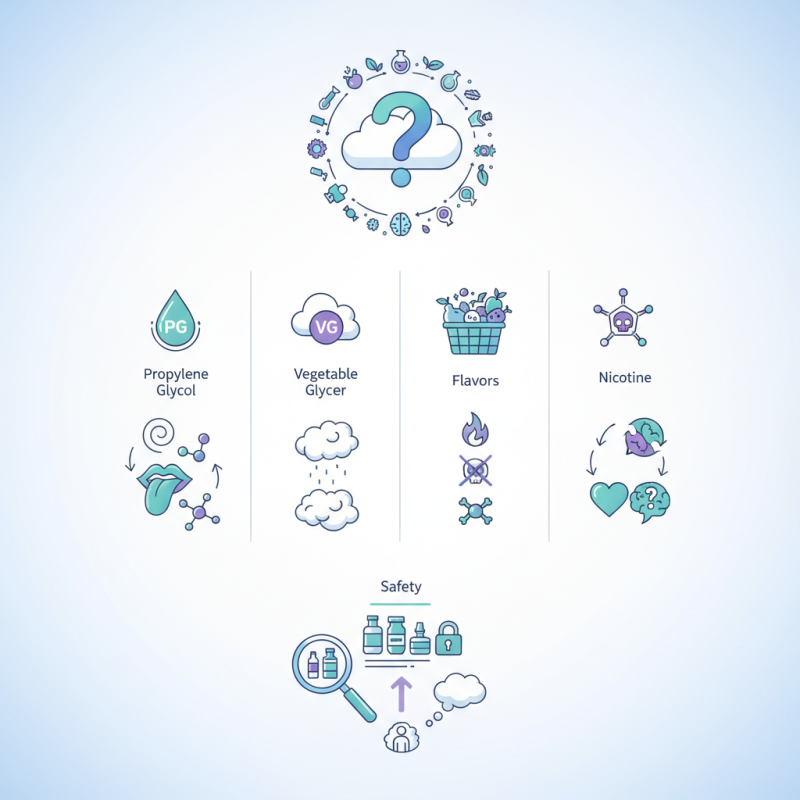
Disposable vape juices typically contain a mix of propylene glycol, vegetable glycerin, flavors, and nicotine. Each component has a purpose. Propylene glycol helps to carry flavors, while vegetable glycerin produces vapor. However, the quality of these ingredients can vary widely among brands. This inconsistency raises questions about safety and consumer knowledge.

Despite the appealing flavors, it is essential to reflect on what goes into these products. Not all ingredients are created equal. Some flavorings can be harmful when heated. A lack of transparency from manufacturers adds another layer of concern. Knowing what are the ingredients in disposable vape juice is not merely a curiosity; it's a vital step toward safer consumption.
Why Are the Ingredients in Disposable Vape Juice Important?

The Role of Ingredients in Disposable Vape Juice

When exploring disposable vape juice, the role of ingredients cannot be overstated. Fundamentally, vape juice typically comprises vegetable glycerin (VG), propylene glycol (PG), flavoring agents, and nicotine. Each component serves a purpose that directly impacts the vaping experience. A recent study revealed that over 70% of vapers prioritize quality ingredients in their choices, highlighting their importance in consumer preferences.

VG and PG are the primary bases in vape juice. VG is thicker and creates larger vapor clouds, while PG offers a throat hit similar to smoking. The right balance is crucial. If the composition leans too heavily on PG, users may experience irritation. A survey showed that nearly 25% of vapers reported a negative reaction to high-PG formulas. Additionally, flavoring agents, which can constitute up to 15% of the formula, affect not only taste but also potential health risks. The diversity of flavors poses a challenge, as some artificial ingredients have raised safety concerns.

Ingredient transparency is vital for building trust with consumers. As regulations evolve, demand for clear labeling grows. The FDA has been pushing for stricter guidelines to ensure safety. The industry faces scrutiny, as recent data revealed that 50% of consumers are uncertain about the ingredients in their vaporizers. Educating the public on ingredients can foster informed choices. This ongoing conversation about ingredient safety emphasizes the necessity of accountability in the vaping industry.

Common Ingredients Found in Disposable Vape Juice

The ingredients in disposable vape juice play a vital role in defining the vaping experience. Commonly used ingredients include propylene glycol (PG) and vegetable glycerin (VG). According to a study published by the American Vaping Association, these bases help create the vapor you inhale. PG is known for its throat hit, while VG produces thicker clouds. Balancing both is key for a pleasant experience.

Another significant component is flavoring. Many disposable vapes are infused with various flavors, which enhance appeal. However, not all flavoring agents are safe for inhalation. A report from the National Academies of Sciences suggests that certain flavors may pose risks when vaporized. This raises questions about the long-term safety of these additives, especially among young users.

Lastly, nicotine levels vary widely. Research shows that high nicotine concentrations can lead to addiction. Understanding this ingredient is essential for informed choices. Studies reveal that about 20% of young adults who vape may switch to traditional cigarettes. This statistic underlines the importance of knowing what is in vape juice. Users should stay informed and cautious. The vaping landscape is evolving, and so must our understanding of what we inhale.

Health Implications of Different Vape Juice Ingredients

The ingredients in disposable vape juice play a crucial role in determining its health implications. Many vape juices contain propylene glycol and vegetable glycerin, which are generally considered safe for inhalation. However, some studies suggest that heating these substances can produce harmful byproducts. It raises concerns about the long-term effects of inhaling vaporized chemicals. The flavoring agents added can also be worrisome. Some flavors, while appealing, may contain diacetyl, which is linked to respiratory issues.

Nicotine is another critical ingredient with well-documented health risks. While it can enhance the overall experience, nicotine addiction is a serious concern. Users often underestimate how addictive it can be. Furthermore, some vape juices may contain unknown or unregulated substances, which pose additional risks. The lack of stringent regulations in the industry contributes to this uncertainty.

It is essential to stay informed about what you're inhaling. Without clear labeling, consumers may not fully understand the potential dangers. Increased awareness can lead to better choices. Vape juice ingredients deserve closer scrutiny as the popularity of vaping continues to grow. Understanding these implications is vital for making informed decisions about respiratory health.

Flavorings and Their Impact on Vaping Experience

Flavorings play a critical role in the vaping experience. They not only enhance the taste but also affect overall satisfaction. According to a report by the National Institute on Drug Abuse, about 60% of vapers cite flavor as a key reason for their choice. This reveals how flavorings can significantly influence user preference and enjoyment.


Some popular flavors include fruit, mint, and dessert. Each offers a unique sensation that can alter the way a user perceives nicotine delivery. A study in the journal Tobacco Control indicated that fruity flavors attract younger users. This raises questions about the long-term impact of these flavorings on health and addiction. A more thoughtful approach is required to balance enjoyment and responsible use.


However, not all flavors are created equal. Some flavorings may contain potentially harmful substances. Diacetyl, for instance, has been linked to respiratory issues. The vaping industry must prioritize transparency regarding ingredients. Users deserve reliable information about what they inhale. Reflecting on these nuances can lead to more informed choices and safer experiences.

Regulatory Standards for Vape Juice Ingredients

Regulatory standards for vape juice ingredients play a crucial role in consumer safety. In recent years, agencies have increased scrutiny on these products. According to a FDA report, about 50% of vape liquids tested contained harmful chemicals not listed on labels. Transparency is key to ensuring public health.

Ingredients like propylene glycol and vegetable glycerin are common in vape juices. However, the purity and quality of these components can vary. Research conducted by the American Journal of Respiratory and Critical Care Medicine indicates that some vape liquids can release toxic substances when heated. This finding raises significant concerns.

Regulations aim to minimize risks by demanding accurate labeling. Many countries have implemented strict regulations to ensure consumers know what they're inhaling. Yet, the evolving nature of the vape industry often outpaces these regulations. Continuous reassessment of standards is essential for long-term safety. This concern invites reflection on whether current guidelines adequately address all health aspects of inhalation.

Importance of Ingredients in Disposable Vape Juice

FAQS

: What are the main ingredients in disposable vape juice?

: Common ingredients include propylene glycol (PG) and vegetable glycerin (VG). They create the vapor we inhale.

How do PG and VG affect the vaping experience?

PG offers a throat hit, while VG produces thicker clouds. A balance between them is important for satisfaction.

Are flavoring agents in vape juice safe?

Not all flavorings are safe for inhalation. Some may pose risks, especially when heated for vaping.

What is the concern regarding nicotine levels in vape juice?

High nicotine concentrations can lead to addiction. Users must understand nicotine's impact on their choices.

How do flavorings influence vaping preferences?

About 60% of vapers choose flavors as a key factor. Flavor significantly affects user satisfaction and experience.

Are there health risks associated with certain flavors?

Yes, some flavors may contain diacetyl, linked to respiratory issues. This necessitates careful consideration of choices.

Why is it important to scrutinize vape juice ingredients?

Ingredients can contain unknown substances. The lack of regulations intensifies the need for awareness about what is inhaled.

How can consumers make informed choices about vaping?

Understanding ingredients and their health implications is vital. Increased awareness can promote safer vaping habits.

What should users consider about the long-term effects of vaping?

Long-term inhalation of vaporized chemicals raises health concerns. Reflection on these effects is necessary for responsible use.

Is there enough transparency in the vaping industry?

The industry lacks clear labeling. Users deserve reliable information about ingredients for safer experiences.

Conclusion

Understanding what are the ingredients in disposable vape juice is crucial for both safety and enjoyment. The primary components typically include propylene glycol, vegetable glycerin, nicotine, and assorted flavorings. Each of these ingredients plays a significant role; for instance, propylene glycol and vegetable glycerin are responsible for the vapor production and overall viscosity of the liquid, while flavorings enhance the vaping experience by offering a variety of tastes.

Health implications arise from the specific ingredients used in vape juices, as some flavoring agents may pose risks when inhaled. It's essential for consumers to be informed about these components, as regulatory standards surrounding vape juice ingredients continue to evolve. Ultimately, recognizing the ingredients in disposable vape juice not only enhances the vaping experience but also promotes awareness regarding health and safety.

Isabella

Isabella

Isabella is a dedicated marketing professional with a sharp focus on driving brand growth and engagement through strategic content creation. With an extensive background in digital marketing, she combines her passion for storytelling with her keen understanding of industry trends to deliver......