The rising trend of disposable vapes among young people raises important questions. Many wonder, why are disposable vapes so popular right now? Various factors contribute to this phenomenon. Accessibility is one significant aspect. These vapes are readily available at convenience stores and online. This ease of access makes them appealing.
Moreover, disposable vapes come in a wide range of flavors. From fruity to minty, they offer enjoyable experiences. Young people are often drawn to the novelty of flavors. This variety might lead to excessive usage, raising concerns about health and habits.
Peer influence also plays a vital role. Social media and trends can create a culture that glamorizes vaping. Young people may feel pressured to conform. Ultimately, the popularity of disposable vapes highlights both enticing features and potential risks. Reflection on these trends is essential. Understanding the reasons behind this popularity can help address related challenges.
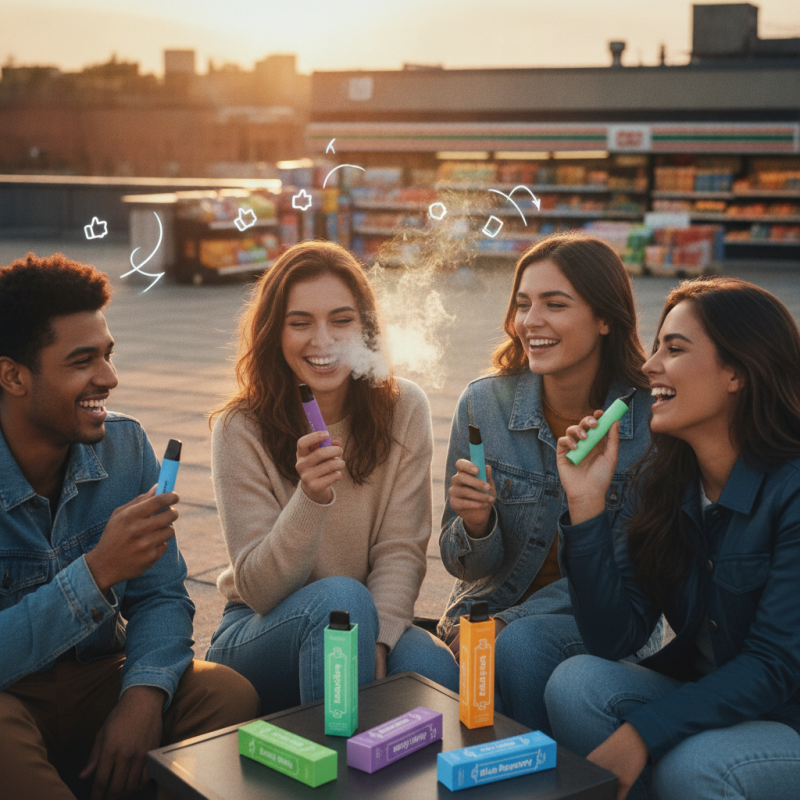
The rise of disposable vapes among young people is a remarkable trend. These devices are portable, easy to use, and often come in a variety of flavors. Young individuals find them appealing for their convenience. The simplicity of not needing to refill or recharge adds to their attraction.
Moreover, social influences play a significant role. Many youths see these vapes as a way to fit in with peers. They are often featured in social media, creating a sense of desirability. However, this popularity raises concerns about health implications and the potential for addiction. The vibrant packaging and flavor options may mask the risks associated with their use.
While disposable vapes are seen as trendy, there is an underlying need for reflection. Young people may not fully understand the long-term impact on their health. Conversations surrounding responsible usage and awareness of risks are essential. This phenomenon reflects both innovation and a need for greater education in youth culture.
Disposable vapes have become a significant trend among young people. Recent market data shows that nearly 40% of young adults in the U.S. have tried vaping. This statistic highlights the growing acceptance of disposable vapes as a lifestyle choice. One key feature driving their popularity is convenience. Disposable vapes offer a portable option without the need for refills or extensive maintenance. Users can easily toss them after use, making them appealing for on-the-go lifestyles.
Another factor is the variety of flavors available. A survey indicated that over 60% of young vape users prefer fruity or dessert flavors. This diverse selection caters to different tastes and enhances the user experience. Additionally, their sleek designs make them visually appealing. Many disposable vapes are colorful and compact, attracting the attention of young consumers.
Tip: When choosing a vape, consider the ingredients. Look for products that offer transparency about their contents. Understanding what you inhale can lead to more informed choices.
Some may argue that the instant gratification of disposable vapes can lead to unhealthy habits. The ease of access can encourage frequent use, which some experts believe may normalize vaping among youth. Reflecting on these points might prompt conversations about responsible usage.
| Feature | Description | Attraction for Young Users |
|---|---|---|
| Portability | Lightweight and easy to carry | Convenient for on-the-go use |
| Variety of Flavors | Available in numerous flavors | Appeals to diverse taste preferences |
| User-Friendliness | No setup or refilling required | Easy for beginners to use |
| Discreet Design | Compact and non-obtrusive | Allows for discreet use in public spaces |
| Affordability | Lower price compared to traditional vaping | Accessible for students and young adults |
| Trendiness | Popular among social circles | Influences social status and acceptance |
Young people today are heavily influenced by their peers. Social circles often dictate trends and behaviors. When one friend vapes, others are more likely to follow suit. This ripple effect creates a culture where experimentation becomes the norm. The allure of disposable vapes, often sleek and colorful, adds to this appeal. Their easy accessibility makes them even more enticing.
Vaping is often associated with a sense of rebellion. Many young individuals see it as an adult activity, a way to assert their independence. Social media showcases vaping as trendy. Influencers capture moments of vaping, making it seem appealing and fun. The power of visual media, combined with peer pressure, creates a cycle of desire.
There is a critical side to this trend. Some young people later question their choices. They might face health issues or find themselves addicted. The social pressure can obscure the risks involved. Friends may encourage vaping without understanding the long-term consequences. Awareness is often overshadowed by the immediate desire to fit in.
Young people's perceptions of vaping risks reveal a complex relationship with disposable vapes. According to the National Youth Tobacco Survey, over 30% of high school students reported using e-cigarettes in 2022. Many view vaping as less harmful than smoking traditional cigarettes. This perception shapes their choices, often underestimating the long-term health effects linked to nicotine and chemical exposure.
Health experts express concerns. A report by the U.S. Surgeon General notes that vaping can lead to respiratory issues and addiction. Despite these warnings, the appeal of flavors and convenience drives usage. Many young users believe that occasional vaping is safe. This belief can be misleading, as even infrequent use can pose risks to developing brains.
Moreover, some studies indicate a normalization of vaping culture among youth. A 2021 report found that 80% of students saw vaping as socially acceptable. This has implications for health education. Young people need clear messages about the health risks. The challenges of addressing misperceptions remain significant. A shift in narrative is essential to promote healthier choices.
Regulatory factors play a significant role in the popularity of disposable vapes among young people. Many regions have introduced legislation that, while aiming to minimize youth access to traditional tobacco products, has inadvertently made vaping more appealing. For example, some laws restrict cigarette sales but allow vapes to be purchased in places frequented by young individuals. This contradiction creates a perceived safe alternative that attracts youth.
Moreover, marketing regulations differ across regions, allowing companies to target younger audiences more effectively. Bright colors and trendy designs appeal to the younger demographic. The regulations often focus on traditional advertising, leaving gaps that vape products exploit. This results in increased visibility among peers, thus driving popularity.
There is an underlying concern regarding the normalization of vaping. This trend raises questions about its long-term effects on health and society. Young users often underestimate potential risks, seeing vaping as a minor indulgence. Parents and educators face challenges in addressing this behavior, especially when legislation does not accurately reflect current trends. Ultimately, the regulatory landscape is complex, impacting youth choices in unforeseen ways.
: Their portability, ease of use, and variety of flavors make them appealing.
Many underestimate the long-term health effects associated with nicotine and chemicals.
Social media creates a sense of desirability, influencing young people's choices.
Many see vaping as less harmful, which shapes their usage habits.
They warn it can lead to respiratory issues and addiction, despite popular misconceptions.
Some laws restrict traditional cigarette sales but still allow easy access to vapes for youth.
Bright colors and trendy designs attract younger consumers, making vapes more appealing.
Many students see vaping as socially acceptable, complicating health education efforts.
Misunderstanding of vaping risks highlights the need for better communication about health education.
Parents and educators face difficulties, especially when regulations don’t reflect current youth trends.
The growing trend of disposable vapes among young people can be attributed to several factors, leading to the question of why are disposable vapes so popular right now. One key aspect is their convenience and user-friendly design, which appeals to a tech-savvy generation looking for portable and easy-to-use alternatives to traditional smoking. Additionally, disposable vapes often come in a variety of flavors and vibrant packaging, making them visually appealing and more enjoyable for young users.
Social influences also play a significant role in the popularity of these devices. Peer pressure and the desire to fit in with vaping culture can motivate young people to adopt this trend. Furthermore, their perceptions surrounding health risks—often viewing vaping as a safer alternative to smoking—contribute to their widespread acceptance. Finally, the regulatory landscape surrounding vaping products can shape their accessibility, further fueling the phenomenon of disposable vapes among youth.
