Top 10 Differences Between Puff Bars and Vapes

Time:2026-10-05 Author:Isabella
0%

Understanding what is the difference between puff bars and vapes requires more than comparing their appearance. Both produce an inhaled aerosol, yet their designs, controls, and everyday use can differ considerably. A Puff Bar usually refers to a compact, prefilled disposable device. Many other vapes use rechargeable batteries, replaceable pods, or refillable tanks.

Dr. Konstantinos Farsalinos, a cardiologist and tobacco-harm-reduction researcher, states: “E-cigarettes are not risk-free, but they are much less harmful than smoking.” His point adds necessary context. Reduced exposure does not mean harmless use. Nicotine can cause dependence, and aerosol ingredients may affect health differently across products.

This guide examines ten practical differences, including battery life, liquid capacity, nicotine strength, maintenance, cost, portability, and waste. A disposable device may feel simple because it has fewer visible parts. That simplicity can hide important details, such as limited control over ingredients and performance. Rechargeable vapes may offer more flexibility, but they require charging, cleaning, and responsible handling.

The comparison is not a recommendation to start vaping. Non-users, especially young people and pregnant individuals, should avoid nicotine products. Product quality can also vary. Labels may be incomplete, confusing, or difficult to verify. That weakness matters.

Some differences are obvious. Others appear only after repeated use. Personal experience can reveal convenience, but it cannot replace evidence. Readers should check current health guidance and product information before making decisions. There is no perfect device. There are only different trade-offs, risks, and responsibilities.
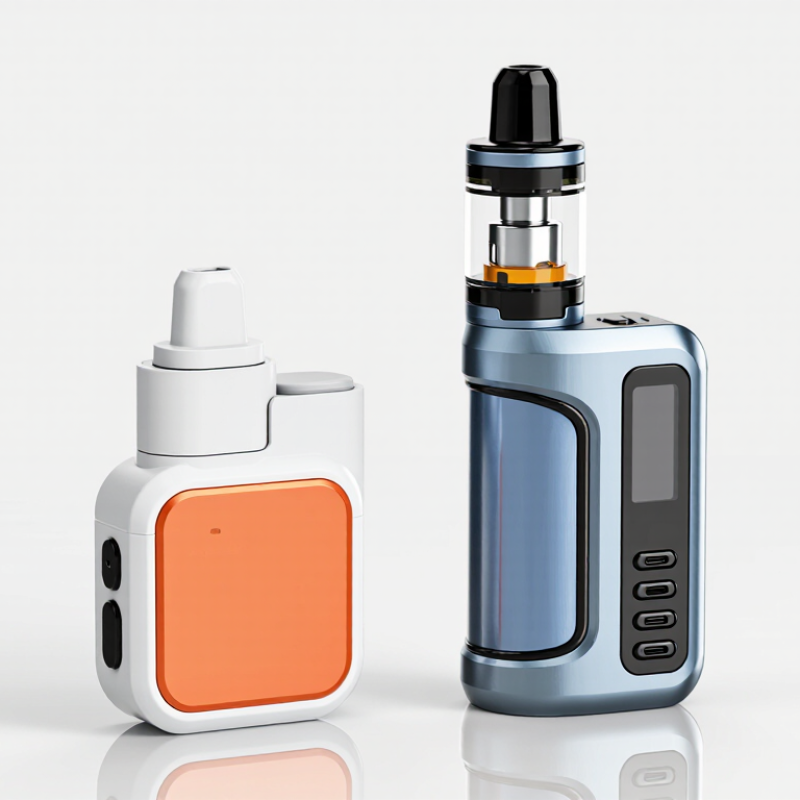
Top 10 Differences Between Puff Bars and Vapes

Device Design and Operating Principles

Top 10 Differences Between Puff Bars and Vapes

Device Design and Operating Principles

A puff bar is usually a compact, prefilled device designed for limited use. A vape commonly has a rechargeable battery, refillable tank, or replaceable pod. That difference matters. Inside both devices, a battery sends power to a small heating coil. The coil warms the liquid and creates an aerosol, not ordinary smoke. An airflow sensor may activate the coil when the user inhales. Other designs use a physical button.

The physical layout affects daily handling. Puff bars generally combine the battery, liquid chamber, coil, and mouthpiece in one sealed body. They need little setup, but users cannot normally inspect or replace internal parts. Rechargeable vapes often separate these components. Users may charge the battery, replace a pod, and adjust airflow or power, depending on the design. More control also means more responsibility. Incorrect charging, damaged batteries, or unsuitable parts can create safety risks.

The distinction is not perfectly clean. Some compact devices are rechargeable, while some larger models remain sealed. I would not treat every disposable device as identical. A careful check should include the charging instructions, liquid capacity, battery condition, and local age restrictions. Products should be used only where legally permitted. Practical testing also shows that airflow changes can alter warmth, sound, and aerosol volume. Small design details matter.

Disposable Versus Reusable Construction

Top 10 Differences Between Puff Bars and Vapes

Disposable Versus Reusable Construction

A puff bar usually combines the battery, heating coil, and liquid reservoir in one sealed body. When the liquid or battery ends, the whole unit is discarded. A reusable vape separates these parts. Users recharge the battery and replace a pod, tank, or coil. That design can reduce repeated hardware waste, but only when maintenance is practical. Real-world habits are less tidy than product diagrams.

The CDC’s 2023 National Youth Tobacco Survey reported that 46.7% of current student users used disposable devices. This figure shows their strong market presence, not product safety. Reusable devices may offer adjustable power and longer service life, yet incorrect charging or damaged batteries create avoidable risks. The World Health Organization also notes that electronic nicotine products can generate battery and chemical waste. Construction matters beyond convenience.

Tips: Check local disposal rules for lithium batteries and electronic waste. Never place a device in household fires or leave charging batteries unattended. For reusable models, inspect the pod, coil, and charging port before use. Stop using damaged equipment. I would not treat refillable construction as automatically sustainable; replacement parts, electricity, and poor disposal still count. Regular cleaning also matters, because residue can collect around the mouthpiece and airflow opening.

E-Liquid, Nicotine, and Flavor Options

Puff bars and refillable vapes differ most in e-liquid control. A disposable bar arrives prefilled and usually offers one fixed flavor and nicotine strength. A refillable vape uses bottled e-liquid, allowing users to select nicotine concentration, flavor, and sometimes the device’s vapor output. Nicotine salts can feel smoother at higher concentrations, while freebase nicotine often delivers a sharper throat sensation. The experience varies, and product labels are not always perfectly consistent.

Flavor remains a major difference. Disposables commonly emphasize sweet, fruit, mint, or beverage profiles. Refillable systems provide wider choices, but mixing liquids creates room for dosing mistakes. The 2023 National Youth Tobacco Survey reported that 89.4% of current student e-cigarette users chose flavored products. The report also recorded about 2.13 million U.S. middle and high school users. These figures do not prove that flavor alone causes use, but they show its strong market appeal. The National Academies has also noted that nicotine exposure depends on liquid strength, device design, and user behavior.

Tips: Check the nicotine amount in milligrams per milliliter, not just the flavor name. Do not assume a smaller device means less nicotine. Keep e-liquid away from children and pets. Adults who do not currently use nicotine should not begin. The comparison is not perfectly tidy; airflow, puff length, battery power, and manufacturing quality can change the result. WHO reports and laboratory studies also warn that emissions may contain harmful substances, so “lighter” flavor does not mean harmless.

Battery Life, Charging, and User Convenience

Battery life separates disposable puff bars from rechargeable vapes more than appearance does.
A disposable device usually arrives ready to use, with no charging cable or setup. That simplicity feels useful during travel or busy workdays. However, its battery ends when the liquid or charge runs out. The whole device then requires replacement.

Rechargeable vapes usually offer longer ownership because users can recharge the internal lithium-ion battery. Battery University reports that lithium-ion cells commonly retain useful capacity for about 300–500 full charge cycles. Real performance varies with temperature, charging habits, and battery size. A larger battery may last longer, but it can also make the device heavier. Small details matter.

Charging is convenient, but not effortless. A short cable, a compatible power source, and safe charging conditions are still necessary. The U.S. Consumer Product Safety Commission repeatedly warns consumers to use approved chargers and avoid damaged batteries. That advice is easy to overlook. I have found that rechargeable does not always mean convenient; a misplaced cable can quickly change the experience.

Industry market reports often compare puff estimates, yet those figures are not standardized testing results. Puff duration, airflow, and user habits can change actual battery life significantly. Rechargeable models may reduce repeated disposal, while disposables require less maintenance. Neither option is perfect. The better choice depends on whether immediate simplicity or longer-term charging flexibility matters more.

Health, Environmental, Cost, and Regulatory Differences

Puff bars are usually sealed, disposable e-cigarettes, while vapes often use rechargeable batteries and replaceable cartridges. Both can deliver nicotine aerosol, not harmless water vapor. The CDC states that most e-cigarettes contain nicotine, which can cause dependence. In the 2023 National Youth Tobacco Survey, 7.7% of U.S. middle and high school students reported current e-cigarette use; disposable devices were the most common type among users. Health risks remain difficult to compare precisely because products differ in liquid ingredients, heating temperatures, and user behavior.

Environmental and financial differences are clearer. A disposable device creates electronic waste after its battery and liquid are exhausted. Material Focus reported that people in the United Kingdom discarded about five million disposable vapes weekly in 2023. Reusable devices can reduce waste, but damaged batteries, pods, and plastic cartridges still require careful disposal. Upfront costs are usually lower for disposables, while frequent replacement may become more expensive over time. This comparison is imperfect; prices and consumption patterns vary widely.

Tips: Check nicotine strength and calculate weekly spending, not just the purchase price. Never place used devices in household recycling. Follow local battery-waste guidance. Regulations also vary by country and change quickly. In the United States, the FDA says e-cigarettes require marketing authorization, yet unauthorized products may still appear in stores or online. A product’s availability does not prove that it is approved or safe. Sources: CDC, 2023; FDA, 2024; Material Focus, 2023.

Top 10 Differences Between Puff Bars and Vapes - Health, Environmental, Cost, and Regulatory Differences

This chart compares common characteristics of disposable puff bars and refillable or rechargeable vape devices. A value of 1 means the characteristic is typically present, while 0 means it is typically absent. Product designs vary, and neither category is risk-free.

Health information: nicotine is addictive, and e-cigarette aerosol can contain harmful substances. In the United States, both product categories are subject to federal tobacco-product regulations and the federal minimum sales age is 21. Disposable devices generally create more frequent whole-device waste, while refillable devices still require responsible battery and cartridge disposal. Sources: CDC, U.S. FDA, and EPA.

FAQS

What is the main construction difference between disposable and reusable devices?

A disposable device usually seals the battery, coil, and liquid reservoir together. A reusable device separates these parts. Users can recharge it and replace the pod, tank, or coil.

Which option creates more electronic waste?

Disposables become waste when their liquid or battery ends. Reusable devices may reduce repeated hardware waste. That benefit depends on proper maintenance and disposal. Real life is messier.

Are reusable devices automatically better for the environment?

No. Replacement pods, coils, plastic parts, electricity, and damaged batteries still create waste. Refillable construction helps only when parts last and disposal is responsible. The greener choice is not automatic.

Are disposable devices cheaper?

Their purchase price is often lower. Frequent replacement can make weekly spending surprisingly high. A simple calculation helps: track every device bought in seven days. Small purchases add up.

Do both device types deliver harmless water vapor?

No. Both can produce nicotine aerosol rather than harmless water vapor. Most electronic nicotine products contain nicotine, which can cause dependence. Health effects vary with ingredients, heating temperatures, and user behavior.

What safety checks should users perform on reusable devices?

Inspect the battery, charging port, pod, coil, mouthpiece, and airflow opening. Do not use damaged equipment. Stop if the battery becomes swollen, unusually hot, or cracked. Never leave a charging battery unattended.

How should used devices and batteries be discarded?

Follow local electronic-waste and lithium-battery rules. Do not place used devices in household recycling unless local guidance allows it. Never put batteries in household fires. Disposal advice differs by location.

Does product availability prove that a device is approved or safe?

No. Products may appear in stores or online despite changing regulatory requirements. Check current local rules and authorization information. Availability is not proof of safety. That assumption needs questioning.

Conclusion

This guide explains what is the difference between puff bars and vapes by comparing their design, operation, and everyday use. Puff bars are generally compact, prefilled, and intended for limited use, while reusable vapes usually include a rechargeable battery and a refillable or replaceable liquid chamber. These structural differences affect flavor selection, nicotine options, vapor output, maintenance, and user control. Disposable devices often provide greater simplicity, whereas reusable devices may offer more flexibility and longer-term usability.

The comparison also covers battery life, charging requirements, convenience, cost, and environmental impact. A disposable device may be ready to use with little maintenance but can create more waste, while a reusable device requires charging, cleaning, and occasional replacement parts. Pricing depends on usage frequency and upkeep. The article also emphasizes responsible use, age restrictions, product quality, and compliance with applicable regulations, helping readers make informed decisions without treating either option as risk-free.

Isabella

Isabella

Isabella is a dedicated marketing professional with a sharp focus on driving brand growth and engagement through strategic content creation. With an extensive background in digital marketing, she combines her passion for storytelling with her keen understanding of industry trends to deliver......