Disposable vapes are designed as sealed, single-use devices, not refillable products. When a flavor fades or the liquid seems low, it can be tempting to search “how to open a disposable vape to refill it.” This introduction explains why that choice deserves caution. A device that looks simple from the outside may contain a lithium-ion battery, wiring, a heating element, and seals that are difficult to restore safely.
Refilling can cause leaks, inconsistent heating, or contact between liquid and electrical components. A damaged or aging battery may also behave unpredictably, especially if someone pries open the casing or forces parts back together. That matters. Even a small leak can leave liquid on fingers, clothing, or nearby surfaces. The device may also produce a burnt taste after its heating element has deteriorated, and adding more liquid will not necessarily fix that problem.
The points ahead focus on practical risks, not dramatic claims. They draw on basic battery and product-safety principles and encourage readers to check manufacturer guidance. A sealed device is not automatically harmless, and a refill attempt is not automatically disastrous; details matter. Still, without suitable design information or reliable repair instructions, opening one is difficult to recommend. If a vape becomes hot, swollen, damaged, or leaky, stop using it and follow the manufacturer’s disposal advice. That may feel inconvenient. It is usually the more cautious choice.
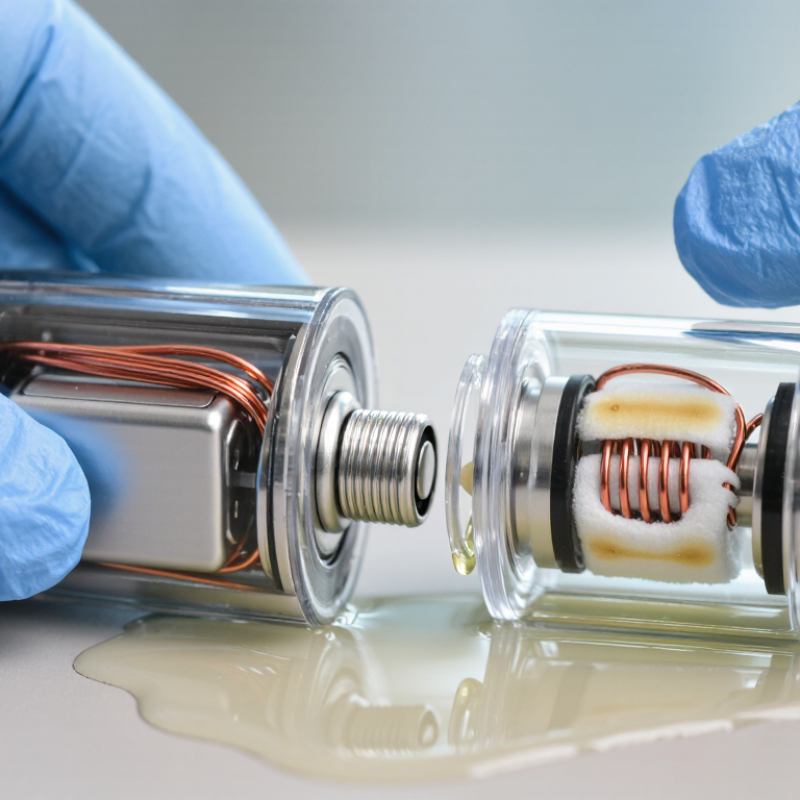
How Disposable Vapes Are Designed for Single Use
A disposable vape is built as a short-life system, not a refillable one. Its small reservoir, absorbent wick, heating coil, airflow path, and battery are matched to a limited period of use. The casing is commonly sealed or difficult to open, so the liquid level and internal parts are not designed for routine inspection. Refilling can leave an old wick unevenly saturated, while worn seals may allow liquid to leak. The battery also was not designed for repeated service cycles. That is no accident. Still, not every device is identical, and product construction can vary.
Single-use design has a material cost. Material Focus’s 2023 UK report estimated that about five million disposable vapes were discarded each week, compared with roughly 1.3 million weekly in 2022. The figures describe reported disposal patterns, not every device sold or used. They do show how quickly small, sealed products can become waste. And honestly, convenience has a footprint. A device that is hard to open is also harder to repair or sort into separate materials.
Tips: Don’t force open the casing or add liquid. If the device leaks, becomes unusually hot, or stops working, stop using it. Check local guidance for battery and electronic-waste drop-off options.
Fire, Battery, and E-Liquid Safety Risks
A disposable vape is built as a sealed unit, not a refillable container. Opening it can expose thin wires and a lithium battery to tools, liquid, or accidental pressure. A punctured or shorted battery may overheat, smoke, or catch fire. That matters. A device that feels cool can still be damaged inside, and a small leak near the battery creates another hazard.
Refilling also brings e-liquid risks. Liquid may spill onto skin, reach the eyes, or be swallowed by a child or pet. Some liquids contain nicotine, which can be harmful if absorbed or ingested. Even careful handling cannot confirm the liquid’s strength, cleanliness, or compatibility with the device’s coil and seals. Leaks can cause irritation, while poor wicking may make the device run hot or produce an unpleasant, harsh taste. It can seem wasteful to discard a device with liquid left, but guessing at its condition is not a reliable safety check.
Tips: Don’t open, puncture, or refill a disposable device. Stop using it if it becomes unusually hot, swollen, cracked, or leaky. Keep leaking devices away from children, pets, and flammable materials; avoid touching spilled liquid, and wash exposed skin promptly. If someone swallows e-liquid or feels unwell after exposure, contact a medical professional or poison-control service. Follow local guidance for battery and electronic-waste disposal.
A disposable vape is assembled as a closed system; opening it can expose the mouthpiece, reservoir, and liquid to dust, skin oils, or residue from tools. The bigger problem is knowing what goes back inside. A bottle’s label cannot confirm that its contents match the original liquid or are suitable for that device’s materials and heating conditions. Small differences matter. Thinner liquid may seep through seals, while residue can collect around the coil and taste burnt.
Testing has documented why labels and contents deserve caution. In a 2009 laboratory analysis, the U.S. Food and Drug Administration tested 18 e-cigarette cartridges from two manufacturers; one sample contained diethylene glycol, and some labeled nicotine-free cartridges contained nicotine. This was an older, limited cartridge study, not a test of today’s disposable vapes or refill liquids. Still, it shows that visual inspection is no safety check. The National Academies’ 2018 report also found that e-cigarette aerosol can contain metals and other potentially harmful substances, with composition varying across products and use conditions.
That matters. Once a disposable device is opened and refilled, contamination or an uncertain liquid can make its output even harder to predict. It is tempting to assume a clear liquid is clean. That assumption is weak.
Disposable vapes are built as sealed devices, not as refillable containers. Opening one can disturb seals around the casing, mouthpiece, or internal reservoir. Even a small gap may let liquid seep onto your fingers, clothing, or other surfaces. Leaks can also reach electrical parts and cause the device to stop working. The exact outcome varies, so a device that seems fine after opening may still behave unpredictably later.
Tips: If you notice liquid near the mouthpiece or casing, stop using the device and avoid touching your eyes or face. Keep it away from children and pets. Follow the disposal instructions provided with the product or local guidance for electronic waste. Do not try to fix a swollen, hot, or damaged device.
A refill may also introduce air bubbles or leave the internal wick unevenly saturated. That can lead to weak, harsh, or inconsistent vapor, or no vapor at all. I used to think a little leakage was merely messy; that assumption misses the possibility of internal damage. Check the device instructions, and don’t use it if its casing, battery area, or performance has changed. Sometimes the safest choice is to stop.
Before attempting to refill a disposable vape, check its packaging and warranty terms. Many products are intended for one use, and opening the casing can damage seals, electrical parts, or the battery. That may end any limited support offered by the seller or manufacturer. Policies differ, so keep the receipt and read the specific terms rather than assuming coverage.
Rules for battery collection and electronic waste vary by location. A device that looks like ordinary plastic may contain a battery and leftover liquid. Do not place it in curbside recycling unless your local program explicitly accepts these devices. Ask a municipal waste service or an approved electronics collection point. Small detail, important.
Keep used devices away from children, pets, heat, and moisture while arranging disposal. If the casing is cracked, swollen, unusually warm, or leaking, avoid the damaged area and follow local hazardous-waste guidance. Never puncture or crush it. It is tempting to think “empty” means harmless, but residue and a battery can still create risks. Disposal instructions are easy to overlook.
Warranty, legal, safety, and responsible-disposal considerations
How to read this chart: Ratings are qualitative editorial guidance, not measured statistics or incident rates. “High” indicates a particularly important safety or disposal concern; warranty terms and legal requirements vary by product and location. Follow the device instructions and check local rules for e-cigarette and battery disposal.
Their reservoir, wick, coil, airflow, and battery are matched to a limited period. The sealed casing makes inspection and repair difficult.
An old wick may absorb liquid unevenly, and worn seals may leak. Compatibility is hard to confirm.
Yes. Tools, liquid, or pressure can damage exposed wires or the battery. A damaged battery may overheat, smoke, or catch fire.
Liquid can irritate skin or eyes, and swallowing it can be harmful. Keep spills away from children and pets.
Stop if it becomes unusually hot, swollen, cracked, or leaky. A device that stops working should not be forced back into use.
Wash exposed skin promptly. If someone swallows liquid or feels unwell, contact a medical professional or poison-control service.
Check local guidance for battery and electronic-waste drop-off options. Don’t force open the casing. Convenient, but not weightless.
A 2023 UK report estimated about five million were discarded weekly, up from roughly 1.3 million in 2022. These figures describe reported disposal, not every device used.
No. Construction can vary, but these devices are generally not designed for routine refilling or repeated battery service. A bit of uncertainty remains.
Disposable vapes are built as single-use devices, not as refillable products. Their sealed construction, compact batteries, and limited controls are not designed to be taken apart or used with replacement liquid. Searching for how to open a disposable vape to refill it may seem like a way to extend its life, but opening the casing can expose delicate components and create risks that are difficult to assess.
Refilling can also lead to battery damage, overheating, leaks, contamination, or inconsistent performance. The liquid’s ingredients and suitability for the device may be uncertain, and a damaged or poorly sealed unit may fail without warning. Altering the device can void any applicable warranty and may conflict with its intended use. Rather than attempting to refill it, follow the device’s disposal guidance and use an appropriate battery or electronics collection point where available.
