How to Recycle Disposable Vapes Effectively for Sustainability?

Time:2026-05-11 Author:Oliver
0%

The rise of disposable vapes has created a significant environmental challenge. As we enjoy the convenience of these products, we also need to consider their impact. Dr. Emily Hart, a leading expert in sustainable waste management, emphasizes, "Understanding how to recycle disposable vapes properly is crucial for reducing our carbon footprint." Her insights highlight the importance of sustainability in our vaping habits.

Many users remain unaware of the proper recycling methods for disposable vapes. The batteries and materials in these products can harm our environment if disposed of incorrectly. It is essential to locate specific e-waste recycling programs that accept such devices. This step is vital for effective sustainability efforts. Embracing these practices can lead to a healthier planet.

Reflecting on our choices is important. Are we fully aware of how our habits affect the environment? The lack of awareness around how to recycle disposable vapes properly can be alarming. Engaging in responsible disposal not only mitigates waste but also inspires change within our communities. Ultimately, small actions lead to significant impacts.
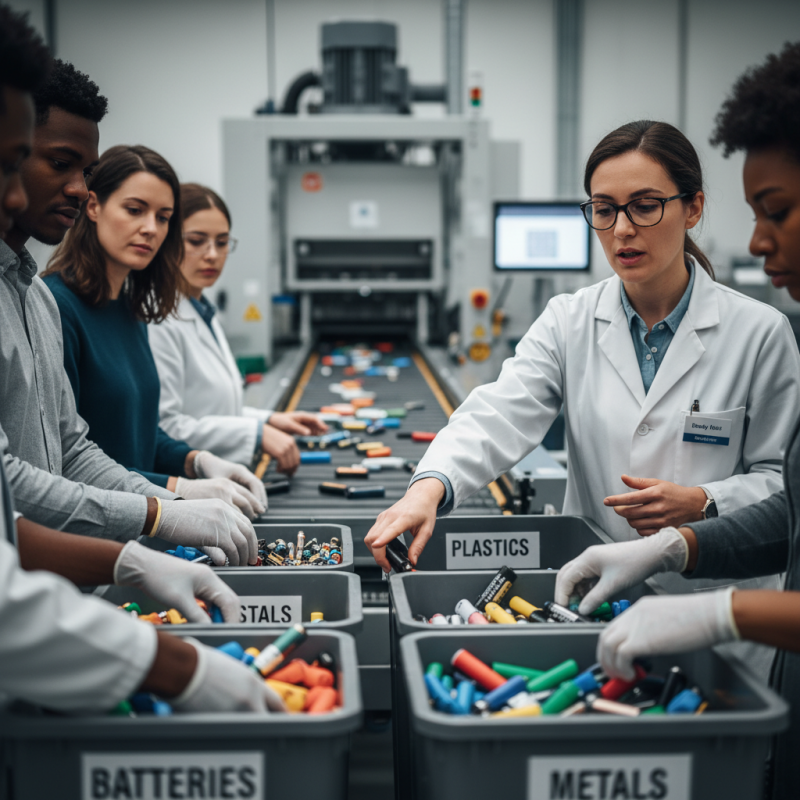
How to Recycle Disposable Vapes Effectively for Sustainability?

Understanding the Environmental Impact of Disposable Vapes

The rise of disposable vapes has drawn attention to their environmental impact. Many users are unaware of the harm these products cause. Each device contains batteries, plastic, and harmful chemicals. When discarded improperly, they end up in landfills, polluting the soil and water. Moreover, the manufacturing process also emits greenhouse gases, contributing to climate change.

Understanding these issues is crucial for fostering responsible vaping behaviors. Users should consider alternatives like refillable devices. These options not only reduce waste but also often deliver a better overall experience. However, many still gravitate towards disposables for their convenience. This preference reveals a tension between individual choices and collective responsibility.

Recycling disposable vapes presents challenges. Specialized e-waste facilities are necessary to handle the batteries and electronics safely. Unfortunately, not all areas have accessible recycling options. This gap highlights a need for more awareness and infrastructure. Proper disposal methods should be shared widely. By educating users, we can reduce the environmental footprint of this popular trend.

Key Components of Disposable Vapes and Their Recycling Challenges

Disposable vapes present unique recycling challenges due to their complex components. They typically contain lithium-ion batteries, plastic casings, and small amounts of e-liquids. According to the International Solid Waste Association, nearly 4.5 million tons of electronic waste were generated globally in 2023. These vaping devices contribute significantly to that number, yet recycling rates remain low.

The lithium batteries found in disposable vapes raise environmental concerns. Improper disposal can lead to fires or toxic leakage. Reports indicate that only 3% of lithium batteries are recycled globally. This vast gap highlights the urgent need for effective recycling programs specifically tailored for vaping products. The plastic used in vapes is often non-biodegradable, further complicating waste management efforts.

Limited consumer awareness exacerbates the issue. Many users are unclear about how to dispose of these products correctly. The absence of standardized recycling processes leaves both consumers and waste management facilities in a difficult position. It is essential to foster better practices and develop infrastructure that addresses these challenges, ensuring that the environmental impact of disposable vapes is minimized.

Current Recycling Statistics and Industry Initiatives for Vapes

In recent years, the use of disposable vapes has surged, raising significant concerns about their environmental impact. According to industry reports, an estimated 1.8 billion disposable vapes were sold in the past year alone. However, only around 10% of these devices are currently being recycled. This statistic highlights a critical challenge in the vaping industry—how to effectively manage e-waste while promoting sustainability.

Industry initiatives are starting to emerge, focusing on improving recycling rates. Some companies are implementing collection programs to encourage users to return their used vapes for proper disposal. These programs aim to reclaim materials such as lithium batteries and plastics, which can be recycled or repurposed. Despite these efforts, many consumers remain unaware of their options, posing a barrier to sustainability.

Tip: Always check for local recycling initiatives before disposing of your vape. Seek programs that accept electronic waste. Familiarize yourself with your region’s guidelines for responsible disposal. Each small effort contributes to a larger impact, promoting a more sustainable future for all.

Step-by-Step Guide to Properly Recycle Disposable Vapes

Disposable vapes are often seen as wasteful. However, proper recycling can make a difference. It’s vital to know how to recycle them effectively. This task can be surprisingly daunting due to their complex components.

Start by gathering all your used disposable vapes. Check the local regulations about electronic waste. Many areas have specific programs for recycling e-waste. Make sure to remove any batteries because they require separate disposal. Store vapes in a safe, dry place until you can recycle them.

Tips: Look for local e-waste drop-off locations. Some retailers even offer recycling programs. If you find it hard to locate these, consider speaking to local environmental groups. They often have useful recommendations. Educating others about vape recycling increases awareness. It’s important to reflect on personal habits. Are you contributing to waste? Small actions can lead to substantial positive impacts.

Disposable Vapes Recycling Statistics

Future Trends in Sustainable Vape Production and E-Waste Management

The future of sustainable vape production is evolving rapidly. As regulations around e-waste tighten, manufacturers must adapt. Research shows that the global e-waste generated from vapes is estimated to reach 1.3 million tons by 2025. This presents significant challenges and opportunities in waste management.

Sustainability trends indicate a push toward recyclable materials. Many manufacturers are exploring biodegradable components and eco-friendly designs. Experts suggest that implementing modular designs can extend the lifespan of products and ease recycling efforts. The International Telecommunication Union emphasizes the need for manufacturers to take responsibility for their products' end-of-life. This involvement can diminish the adverse environmental impact.

Tip: Create a local recycling program focused on disposable vapes. Collaborate with local recycling centers to ensure proper disposal.

Looking ahead, consumer education on e-waste is crucial. Many users are unaware of the environmental effects of disposable vapes. Simultaneously, as vape technology advances, the industry must adapt to changing consumer values and environmental standards. A report from the Global E-Waste Monitor found that only 17.4% of e-waste is currently recycled. This highlights a glaring need for improved consumer engagement and sustainable practices.

Tip: Share information on vape recycling at point-of-sale locations. Retailers can play a key role in promoting sustainability.

FAQS

: What environmental issues do disposable vapes cause?

: Disposable vapes contain batteries and plastics that pollute soil and water when improperly discarded.

How do disposable vapes contribute to climate change?

Their manufacturing process emits greenhouse gases, adding to global warming concerns.

Are there better alternatives to disposable vapes?

Yes, refillable devices reduce waste and often provide a better vaping experience.

What recycling challenges do disposable vapes present?

They contain complex components like lithium batteries, which require special handling.

How can consumers properly dispose of used disposable vapes?

Check local electronic waste programs and remove batteries for separate disposal.

Why is consumer awareness important for vape recycling?

Many users are unsure how to recycle, making it essential to educate and inform.

What happens to lithium batteries when disposed of incorrectly?

They can cause toxic leakage and even fires if not handled properly.

Where can users recycle disposable vapes?

Local e-waste drop-off spots and some retailers often have recycling programs available.

How can individuals reduce their environmental impact from vaping?

Reflecting on personal habits and choosing responsible disposal methods can help mitigate waste.

What should users do if recycling options are limited in their area?

Contact local environmental groups for guidance on proper disposal and recycling efforts.

Conclusion

The article "How to Recycle Disposable Vapes Effectively for Sustainability" addresses the pressing environmental concerns associated with disposable vapes. It begins by highlighting the significant environmental impact these products have, including their contribution to electronic waste due to their complex materials. The key components of disposable vapes are analyzed, revealing the recycling challenges posed by their batteries and plastic parts. Current recycling statistics and industry initiatives showcase efforts to mitigate this issue, but more awareness is needed.

To guide consumers, a step-by-step approach on how to recycle disposable vapes properly is provided, emphasizing the importance of proper disposal methods to improve sustainability. The article concludes with insights into future trends in sustainable vape production and effective e-waste management strategies, underscoring the critical need for ongoing innovation in this field to protect the environment.

Oliver

Oliver

Oliver is a seasoned marketing professional with a wealth of expertise in driving brand awareness and engagement. With a deep understanding of our company's product offerings, he consistently delivers high-quality content that enriches our professional blog. His insights not only shed light on......