China’s vape manufacturing sector spans large export factories and smaller specialist producers. Yet a manufacturer’s scale alone cannot tell buyers how reliably a device manages airflow, liquid, and condensation. Grand View Research estimated the global e-cigarette and vape market at USD 28.17 billion in 2023, with projected growth through 2030. This market estimate describes commercial scale, not product safety or build quality. Those require separate evidence.
Small details matter. A narrow air channel, excess condensate, or a poorly controlled liquid feed can leave a device bubbling or spitting. Gurgling does not always mean a product is defective; handling and storage may also contribute. For readers asking “how to stop a disposable vape from gurgling,” this guide explains likely causes and practical checks, while comparing ten China-based manufacturers and the design details buyers can verify. Look for clear specifications, consistent quality controls, and responsive technical support—not rankings alone. Public product information can be incomplete, and a shortlist may overlook capable suppliers. That deserves scrutiny. Use products only where permitted, and follow applicable age and product requirements.
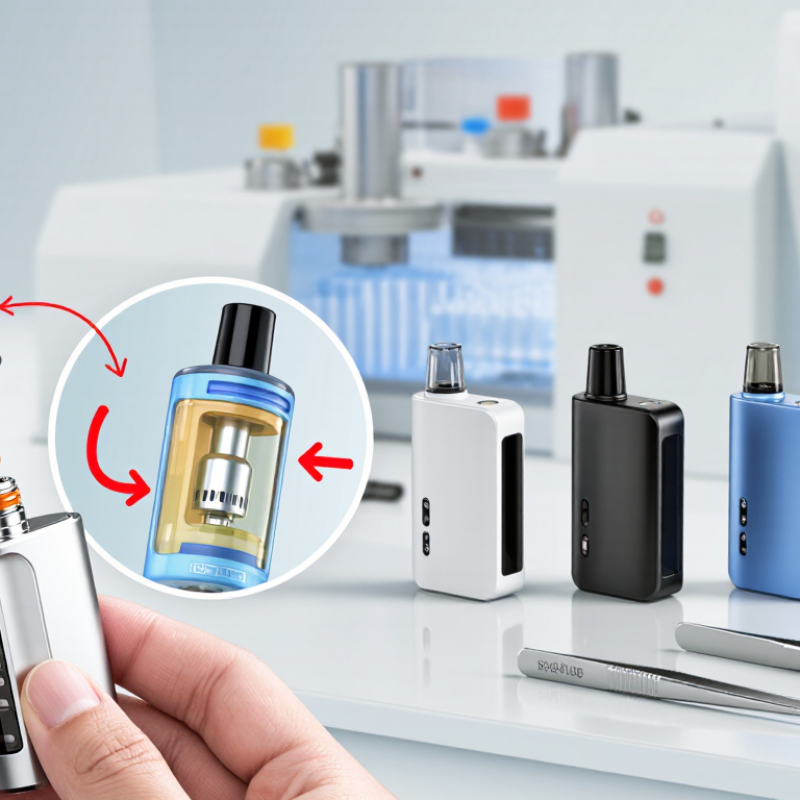
A vape gurgle usually sounds like soft bubbling, wet crackling, or liquid moving through a straw. It may happen during a puff or continue briefly after you stop. Not a clean hiss. A little condensation can make occasional noise, but repeated bubbling often means excess e-liquid is sitting in the coil or airflow path.
This can occur when a device is overfilled, stored on its side, or used with a coil that is worn or poorly seated. Drawing too forcefully may also pull more liquid into the coil than it can vaporize. The exact cause varies by device, so sound alone cannot confirm a fault. That distinction matters. If gurgling persists, stop using the device and check its manual. Wipe accessible airflow openings with a dry cloth, and inspect the coil and seals for looseness or visible damage. Avoid poking liquid deeper into the device. It is tempting to blame every wet sound on a bad coil, but condensation or filling technique may be involved too. If the device leaks, becomes unusually hot, or continues behaving oddly after basic checks, discontinue use and seek qualified support.
Gurgling is a wet, bubbling sound caused when e-liquid or condensation collects in the airflow path and interrupts smooth airflow. The waveform below is an illustrative example, not a recording or measured device data.
Illustrative sound pattern · Time: milliseconds · Relative amplitude: normalized units
Gurgling usually means excess e-liquid or condensation is collecting in the device’s airflow path. Liquid can enter the central chimney when a pod is overfilled or filled too quickly. A worn seal may also let liquid seep into the coil area. Condensation is common after repeated draws, especially when the device is stored on its side. That matters.
A coil that is not seated properly can allow liquid to flood the airflow channel. Drawing too hard may pull more liquid into the coil than it can vaporize, while a coil nearing the end of its service life may behave inconsistently. A common mistake is blaming the coil immediately; the cause may simply be trapped condensation. Check the fill level and seals, then wipe the mouthpiece and airflow opening with a clean, dry cloth. Keep it upright. If gurgling returns, stop using the device and inspect the coil or pod for damage. Replacing a worn part may help, but it is not always the answer.
| No. | Common cause | Why it causes gurgling | Typical signs | Practical steps |
|---|---|---|---|---|
| 1 | Flooded coil or pod | Excess e-liquid in the coil or airflow channel bubbles as air passes through. | Bubbling sounds, weak vapor, or liquid reaching the mouthpiece. | Remove the pod or tank and wipe accessible liquid with a tissue. Follow the device instructions; replace a persistently flooded coil or pod. |
| 2 | Overfilling | Filling beyond the recommended level can leave too little air space and push liquid into the central airflow path. | Gurgling begins soon after refilling; liquid may appear in the mouthpiece or airflow tube. | Keep liquid below the maximum-fill line and avoid filling the central chimney or airflow opening. |
| 3 | Incorrect filling technique | Liquid poured into the airflow tube or a fill seal left open can leak into the air channel. | Gurgling or leaking immediately after filling. | Use the designated fill port, close the seal fully, and keep the tank upright while filling. |
| 4 | Loose or damaged seals | A displaced, worn, or damaged O-ring or pod seal can let e-liquid enter areas meant for airflow. | Recurring leaks around joints, the base, or the pod connection. | Check that seals are correctly seated and inspect for tears or wear. Replace damaged parts with compatible components. |
| 5 | Condensation in the mouthpiece or airflow path | Cooled vapor can form small droplets that collect in the mouthpiece or air channel. | Light crackling or gurgling, often with a few droplets but no major tank leak. | Turn the device off if applicable, remove accessible parts as instructed, and wipe them dry. Clean the mouthpiece regularly. |
| 6 | Repeatedly taking very short puffs | Frequent short draws may not clear vapor and moisture from the airflow path, allowing droplets to build up. | Noise increases during repeated use and may lessen after the device rests. | Use the device only as its instructions specify, allow brief pauses between puffs, and keep the airflow path clean. |
| 7 | Liquid too thin for the device | A liquid with a higher proportion of propylene glycol (PG) is generally thinner and may seep more readily through some coil designs. | Repeated flooding or leaking despite correct filling and intact seals. | Check the device maker’s recommended liquid specifications and use a compatible viscosity. Do not modify the device to accommodate a different liquid. |
| 8 | Worn, damaged, or incorrectly installed coil | A poor fit or degraded wicking material can fail to manage liquid flow properly. | Gurgling persists after cleaning, or is accompanied by leaking or inconsistent vapor. | Turn the device off and check installation according to its instructions. Replace a worn or damaged coil; allow a new coil to saturate as directed. |
| 9 | Device stored on its side or upside down | An unusual position can allow liquid to move into the airflow channel, especially if the tank or pod is not fully sealed. | Gurgling or leakage noticed after storage or transport. | Store the device upright when possible and check that the tank or pod is closed securely before transport. |
| 10 | Temperature or pressure changes | Heat, cold, or changes in air pressure can affect liquid flow and may encourage seepage through the coil or seals. | Gurgling or minor leakage after travel or a substantial temperature change. | Keep the device away from extreme heat and direct sunlight. After a temperature change, inspect and wipe the device before use. |
Safety note: Do not blow liquid into a device while it is powered. If e-liquid reaches the battery or electrical components, stop using the device and follow the manufacturer’s safety instructions. Never use a device with a damaged battery, leaking battery compartment, or signs of overheating.
Gurgling often means excess e-liquid has collected around the coil or inside the airflow channel. Stop using the device and switch it off before checking it. Remove the pod or tank, then wipe its exterior with a clean tissue. Look for pooled liquid near the mouthpiece and airflow openings. Small details matter.
Check that the coil is seated correctly and the tank is not filled above its marked line. If liquid is visible in the central channel, gently clear it with tissue; keep liquid away from electronic contacts. Reassemble the device and keep it upright for several minutes. Take a gentle test puff. Hard, repeated draws can pull more liquid into the coil, so avoid forcing it. If gurgling continues, inspect the coil for wear and consult the device instructions before replacing parts.
Tips: Use the recommended liquid and fill level. Let a new coil absorb liquid as directed. I might be tempted to keep testing, but persistent gurgling is a reason to pause. Stop using the device if it leaks, feels unusually hot, or appears damaged.
Gurgling often sounds like liquid bubbling through a straw. Device design can make that noise more likely. A narrow airflow channel, loose seals, or a coil that receives liquid faster than it vaporizes may allow excess liquid to collect. Even small differences matter. A device stored on its side can also let liquid enter the airflow path.
E-liquid thickness is another factor. Liquids with more propylene glycol are generally thinner, while higher vegetable glycerin blends tend to be thicker. A blend that does not suit a device’s coil and wicking design may feed too quickly or too slowly. Check the device instructions for compatible liquid characteristics rather than assuming every blend behaves alike. Not every gurgle has one cause.
For a simple check, keep the device upright and inspect the mouthpiece and airflow opening for visible liquid. Wipe them with a clean, dry tissue, then check that the coil is seated correctly and the tank is not overfilled. Small changes can help. If bubbling returns, the coil may be worn, or the liquid and device may not be a good match. That explanation is incomplete, though: temperature, storage, and individual device tolerances can also affect performance.
China’s leading vape manufacturers differ more by product focus than factory size. Some specialize in closed-pod systems, while others build refillable devices, coil assemblies, batteries, or OEM/ODM platforms. Grand View Research estimated the global e-cigarette market at USD 26.2 billion in 2023 and projected a 30.6% compound annual growth rate from 2024 to 2030. That growth helps explain the variety, but market size alone does not prove product quality. Buyers should check materials, batch traceability, and testing records for their intended markets.
Product details Product details matter in daily use. A pod-focused maker may prioritize leak-resistant seals and compact dimensions; a coil specialist may focus on consistent wicking and airflow. Gurgling can occur when excess liquid enters the airflow path, so product design and assembly tolerances deserve attention. Small differences show up fast.
Tips: Compare fill-port seals, coil specifications, and quality-control documents. Ask how suppliers test leakage after transport and temperature changes. A sample may perform well once, then gurgle after repeated refills; that is worth questioning. Verify that products meet the requirements of the destination market.
It may sound like soft bubbles, wet crackling, or liquid moving through a straw. Not a clean hiss.
Excess liquid or condensation may collect near the coil or airflow channel. Overfilling, side storage, or a loose coil can contribute.
Yes. Repeated draws can leave moisture near the mouthpiece, especially if the device rests on its side. Sound alone is not a diagnosis.
Stop using the device and switch it off. Check the fill line, seals, and coil seating, then wipe accessible openings with a dry cloth.
Remove the pod or tank if the instructions allow. Gently blot visible liquid with tissue, keeping it away from electronic contacts. Don’t poke it deeper.
Yes. Hard, repeated draws may pull more liquid into the coil than it can vaporize. Try a gentler puff.
Not always. Condensation or filling technique may be the cause. Inspect for wear or damage, and check the device instructions before replacing parts.
Stop if gurgling persists after basic checks, or if the device leaks, feels unusually hot, or looks damaged. Seek qualified support. I might be tempted to keep testing, but that can be a mistake.
This article explains what vape gurgling sounds like and why it happens, such as excess e-liquid in the coil area, airflow obstruction, overfilling, or changes in temperature and pressure. It offers practical steps to address the problem: check the device’s airflow, clean accessible parts with a dry cloth, remove excess liquid carefully, and use the device as directed. For disposable devices, avoid opening or modifying the unit; if gurgling continues or the device leaks, stop using it and follow the manufacturer’s disposal guidance. These tips answer the common question of how to stop a disposable vape from gurgling while emphasizing safe handling.
The article also describes how device design and e-liquid characteristics can affect gurgling, including airflow paths, coil structure, and liquid thickness. Its overview of China’s top 10 vape manufacturers focuses on broad product-development areas—such as compact devices, airflow engineering, quality control, and manufacturing capabilities—without naming individual companies. Overall, readers gain a clear understanding of common causes, straightforward troubleshooting, and the design choices that can help reduce gurgling.
