Top 10 Facts About Disposable Vapes and Cigarette Equivalents?

Time:2026-08-11 Author:Sienna
0%

Disposable vapes have surged in popularity in recent years. Many people opt for these devices over traditional cigarettes. But how many cigarettes are in a disposable vape? This question intrigues both new users and seasoned smokers alike. Understanding this equivalency is crucial for making informed choices.

The rise of disposable vapes raises ethical concerns. Users often underestimate the health risks associated with these products. While they may seem convenient, their ingredients can be more complex than expected. Despite the allure of ease, one should consider the long-term effects on health.

Even seasoned vapers may find it hard to navigate this landscape. With varying nicotine levels and puff counts, it’s important to understand what you're actually consuming. The convenience of disposable vapes can obscure the reality of their consumption. Engaging with reliable sources and doing personal research is essential in making informed decisions.
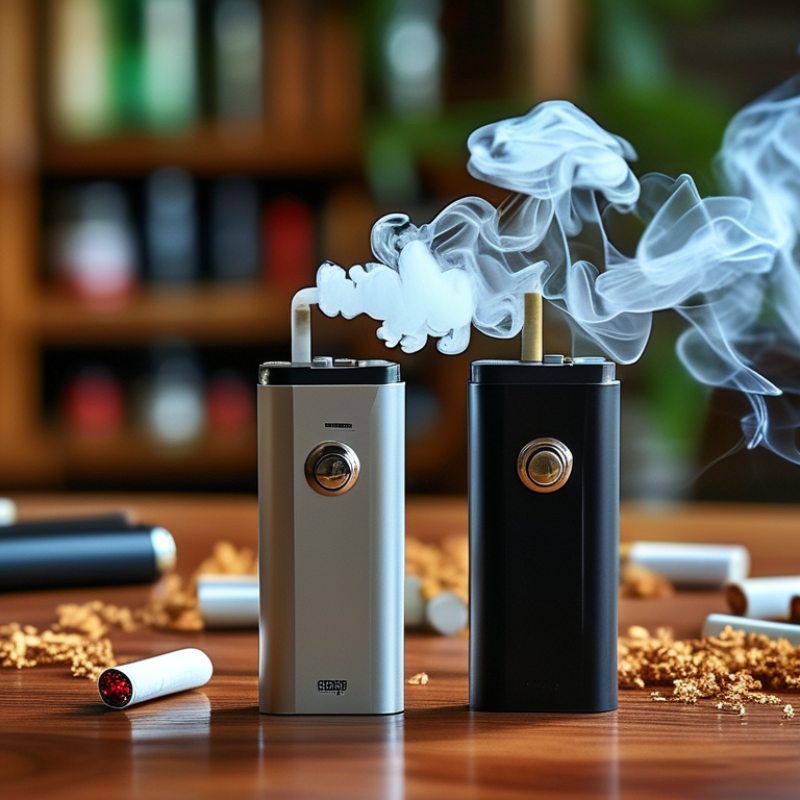
Top 10 Facts About Disposable Vapes and Cigarette Equivalents?

The Rise of Disposable Vapes: Market Trends and Consumer Preferences

Disposable vapes have surged in popularity in recent years. Market research indicates that disposable vape sales have skyrocketed, accounting for approximately 50% of the vape market in 2022. This trend highlights significant shifts in consumer preferences. Many users are drawn to disposable options for their convenience, ease of use, and wide variety of flavors. Reports suggest that nearly 70% of disposable vape users prefer them over traditional cigarettes.

Tips: Consider trying different flavors to find what suits you best. Many users recommend starting with lower nicotine concentrations to gauge tolerance.

Moreover, the demographic of disposable vape users is evolving. Many younger individuals gravitate toward these products, seeking a modern alternative to traditional smoking. A study showed that about 60% of new vape users are under 30, emphasizing a generational shift. However, it’s important to address the potential downsides, as the health impacts of long-term use remain under research.

Tips: Stay informed about health studies related to vaping. Being aware helps you make educated choices.

Notably, the rise of disposable vapes also raises questions about environmental sustainability. The rapid production and disposal of these products contribute to increased electronic waste. Efforts to create more eco-friendly options are still in early stages, pointing to a necessary reassessment of the market’s practices.

Health Risks Associated with Disposable Vapes Compared to Traditional Cigarettes

Disposable vapes have gained popularity as an alternative to traditional cigarettes. However, health risks associated with them are concerning. Research indicates that while vapes typically contain fewer toxic substances than cigarettes, they are not without harm. The inhalation of vaporized nicotine can still lead to respiratory issues and cardiovascular problems. Users often underestimate these risks.

Moreover, the long-term effects of vaping are still largely unknown. While some may feel safer using vapes, the potential for addiction remains high. Nicotine exposure in any form can lead to dependence and health complications. The flavorings and chemicals in disposable vapes add another layer of risk. Many of these substances can be harmful when heated and inhaled.

When comparing the two, it's crucial to recognize that neither option is truly safe. Disposable vapes might seem less hazardous due to their perceived cleanliness. Yet, they still pose significant health threats. Critical conversations about these dangers are necessary. Users should reflect on their choices and the implications for their health. Adopting a harm reduction mindset is key.

Nicotine Delivery: How Disposable Vapes Measure Up to Cigarette Alternatives

When comparing disposable vapes to cigarette alternatives, nicotine delivery is key. Disposable vapes often use e-liquids containing nicotine in various concentrations. The way these devices release nicotine can impact user experience. Many find that disposable vapes provide a smoother hit. The vapor produced is less harsh than traditional cigarette smoke.

Research indicates that the delivery rate of nicotine can vary significantly. Some users may experience spikes in their nicotine intake due to the method of inhalation. This can lead to cravings or overconsumption. It is important to be aware of how different devices affect nicotine absorption. Not all disposable vapes are created equal, and finding the right one requires thoughtful consideration.

It’s crucial to reflect on your habits and needs. While the convenience of disposable vapes is appealing, they are not without drawbacks. Their efficacy in delivering nicotine can depend heavily on the user’s technique. Some may find they need to adjust their approach for optimal satisfaction. Balancing these factors can lead to a more informed choice in nicotine alternatives.

Environmental Impact: Waste Generation from Disposable Vapes vs. Cigarettes

Disposable vapes have surged in popularity, but their environmental impact cannot be overlooked. Unlike traditional cigarettes, which biodegrade over time, disposable vapes often end up in landfills or oceans. This leads to significant waste generation. A single vape can create harmful waste, including batteries that take years to decompose. Environmentalists warn that this trend produces a growing ecological footprint.

Cigarette butts contribute heavily to waste, too. They are the most littered item globally, with trillions discarded each year. Cigarette filters are made from cellulose acetate, a plastic that takes decades to degrade. Both products pose a challenge to sustainability. While vapes might seem modern, they carry their own set of environmental concerns. The contrast raises questions about responsible consumption and waste management.

Addressing this issue requires a shift in consumer behavior. People need to consider the longer-term effects of their choices. Encouraging recycling programs and promoting reusable alternatives can help mitigate these impacts. As we embrace new technologies, it's crucial to remember the ecological implications they bring. The conversation about sustainable practices should include both vapes and cigarettes to create a healthier planet.

Environmental Impact: Waste Generation from Disposable Vapes vs. Cigarettes

Regulatory Landscape: Government Responses to Disposable Vape Products

The regulatory landscape surrounding disposable vapes is rapidly evolving. Governments across various regions are responding to the increasing popularity of these products. Studies reveal that sales of disposable vapes grew by over 150% from 2019 to 2022, prompting regulatory scrutiny. Nations are implementing strict age restrictions, labeling requirements, and flavor bans. For instance, in the U.S., the FDA has introduced regulations targeting flavored disposable vapes to curb youth usage.

Some experts estimate that up to 30% of young adults have tried vaping. This trend raises concerns regarding health impacts. While vaping may be seen as less harmful than traditional smoking, emerging data indicates potential risks associated with nicotine addiction. Disposable vapes often contain high nicotine levels, which can affect brain development in teenagers.

Tip: Always ensure you understand the local regulations regarding vaping. Regulations can vary widely between states and countries.

Moreover, awareness of health implications is crucial. Many users underestimate the additives in disposable vapes that can contribute to lung issues. Some products have been linked to respiratory diseases, making it imperative for users to stay informed.

Tip: If you or someone you know is considering vaping, engage in thorough research. Look for credible reports and professional insights to inform your choices.

Top 10 Facts About Disposable Vapes and Cigarette Equivalents - Regulatory Landscape: Government Responses to Disposable Vape Products

Fact Number Description Regulatory Response Impact on Consumers
1 Disposable vapes are more popular than traditional cigarettes among younger demographics. Higher age restrictions have been implemented in several regions. Increased scrutiny on age verification methods for purchases.
2 They often contain high levels of nicotine, comparable to multiple cigarettes. Regulations on nicotine concentration levels imposed. Potential for reduced usage or switch to traditional cigarettes.
3 Environmental concerns arise from disposable vapes due to plastic waste. Policies promoting recycling and proper disposal implemented. Increased consumer awareness about sustainability.
4 Flavors in vape products make them appealing to youths. Flavor bans have been enacted in some jurisdictions. Reduced appeal of vaping products among younger users.
5 Disposable vapes can be cheaper than traditional cigarettes. Tax increases on vaping products introduced in some areas. Higher costs may deter use among price-sensitive consumers.
6 Health risks associated with vaping are still being studied. Government health campaigns raising awareness on risks. Possible declines in usage as awareness increases.
7 Disposable vapes can be used in areas where smoking is prohibited. Some locations have instituted vaping bans in public spaces. Influence on where and how people choose to vape.
8 Vaping offers an alternative to quitting traditional cigarettes. Incentives for cessation programs that include vaping alternatives. Potential for increased rates of smoking cessation.
9 The industry growth has led to increased regulation and oversight. Creation of regulatory bodies specifically for vaping products. More informed consumer choices due to clearer regulations.
10 Many disposable vapes are marketed as 'safe alternatives' without sufficient evidence. False advertising regulations are being tightened. Shift towards more evidence-based marketing practices.

FAQS

: Why are disposable vapes so popular?

: Convenience, ease of use, and diverse flavors attract many users to disposable vapes.

Who primarily uses disposable vapes?

A significant portion of new users, about 60%, are under 30 years old.

Are disposable vapes safer than traditional cigarettes?

While they contain fewer toxins, they still pose health risks, including respiratory and cardiovascular issues.

What should I consider regarding nicotine levels?

Start with lower nicotine concentrations to assess your tolerance effectively.

What environmental concerns are associated with disposable vapes?

Their rapid production and disposal contribute to increased electronic waste and sustainability issues.

What are the risks of long-term vaping?

Long-term effects are largely unknown, but potential for addiction and health complications exists.

How can I make informed choices about vaping?

Stay updated on health studies related to vaping to understand its impacts better.

Are there risks in the flavorings used in disposable vapes?

Yes, harmful substances can be released when flavorings are heated and inhaled.

Should users reflect on their vaping choices?

Yes, critical reflection on health implications is essential for making safer choices.

Conclusion

The rise of disposable vapes has significantly altered consumer preferences and market dynamics in the vaping industry. Many users are drawn to these products for their convenience and variety. A key question often arises: how many cigarettes are in a disposable vape? Some estimates suggest that one disposable vape can be equivalent to multiple packs of cigarettes, highlighting its appeal for smokers looking for alternatives. However, while they offer a perceived reduction in health risks compared to traditional cigarettes, disposable vapes still pose significant health concerns, including potential nicotine addiction.

Furthermore, the environmental impact of disposable vapes raises alarms, given the waste generated compared to that of traditional cigarettes. As the regulatory landscape evolves, governments are increasingly scrutinizing disposable vape products, aiming to balance public health objectives with consumer freedom. The discussion around these devices continues to be complex, as they represent both a potential harm reduction strategy and an emerging environmental challenge.

Sienna

Sienna

Sienna is a skilled marketing professional with a deep expertise in our company’s core products and services. With a passion for innovation and detail, she plays a pivotal role in crafting insightful blog posts that not only highlight the unique features of our offerings but also provide valuable......