China Top 10 What Is a Mesh Coil in a Disposable Vape?

Time:2026-11-21 Author:Madeline
0%

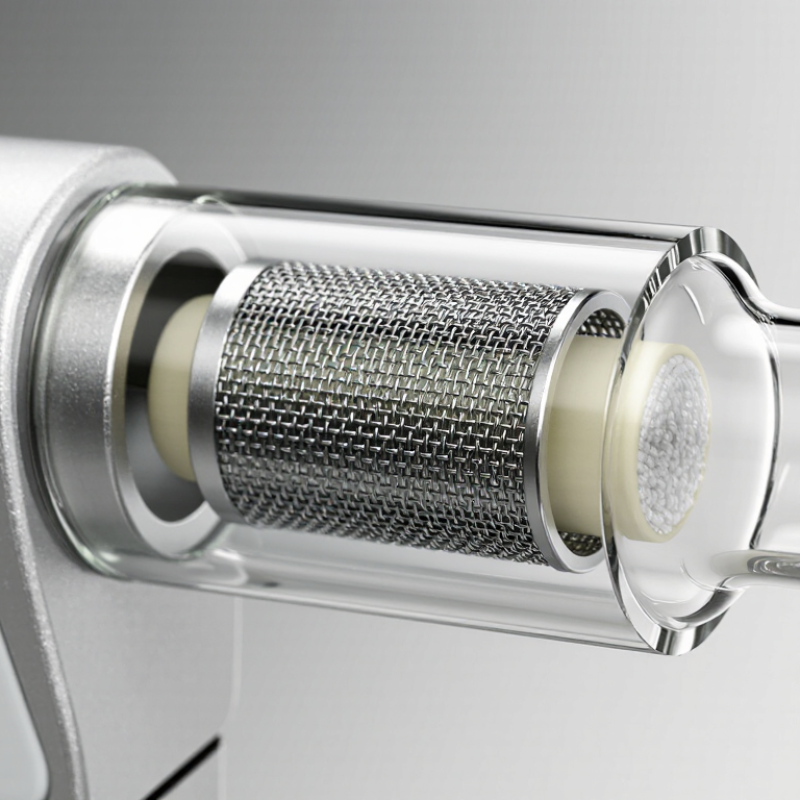
A mesh coil is a metal heating element shaped like a fine screen, rather than a round wire. In a disposable vape, it sits beside absorbent wicking material. When powered, the mesh heats the liquid held in the wick and produces an aerosol. Small details matter: mesh area, electrical resistance, airflow, and liquid delivery can all affect how evenly the device heats. The term sounds simple. The design is not.

So, what is a mesh coil in a disposable vape, and why do product descriptions emphasize it? This guide compares how mesh designs are described across China-focused disposable-vape listings, while separating verifiable construction details from promotional claims. Grand View Research’s e-cigarette market analysis tracks disposable products as a distinct market segment, but market growth does not establish product safety or quality. Those are different questions.

Independent health evidence deserves equal attention. The U.S. National Academies’ 2018 report, Public Health Consequences of E-Cigarettes, reviews evidence that e-cigarette aerosol can contain potentially harmful substances. Device design and operating conditions can influence aerosol composition. The CDC’s 2024 National Youth Tobacco Survey estimated that 1.63 million U.S. middle and high school students currently used e-cigarettes; disposable products were the most commonly reported type. These figures describe a public-health concern, not a reason to use a device. This introduction is imperfect by design: product specifications are not always independently tested, and a mesh label alone proves little. The sections ahead will clarify what the component does, what claims can be checked, and where uncertainty remains.
China Top 10 What Is a Mesh Coil in a Disposable Vape?

Mesh-Coil Basics: Grid Structure, Heating, and E-Liquid Wicking

A mesh coil is a thin metal strip formed into a grid or perforated sheet, rather than a round wire. In a disposable vape, it sits beside or around absorbent wick material. The grid gives the heating surface a broad, flat shape. More contact with the wick can help heat spread across the liquid-fed area.

The mesh does not draw in e-liquid by itself. Cotton or another porous wick pulls liquid toward it through small spaces between fibers. When the device activates, electrical current heats the metal, and nearby liquid becomes vapor. Even heating matters. A dry patch can heat differently from a saturated one, so wick placement and liquid flow affect consistency. Tiny details count.

In practice, the result also depends on airflow, electrical output, and liquid thickness. A denser liquid may move through a wick more slowly, especially during repeated use. Mesh designs can heat quickly, but that does not guarantee a smoother or more reliable experience in every device. The grid may look simple; its performance still depends on several parts working together. A useful detail to remember: mesh heats; the wick feeds.

Disposable Vape Components: Mesh, Wick, Battery, Airflow, and E-Liquid

A mesh coil is a thin metal strip with a perforated, grid-like surface. In a disposable vape, it warms e-liquid held in a wick. Its broader surface can heat the liquid more evenly than a narrow wire, though results depend on the device’s design and condition. Small details matter.

The wick, often made from absorbent material, draws e-liquid toward the mesh. If it becomes too dry, the device may taste burnt; if liquid delivery is uneven, flavor can vary from puff to puff. The battery supplies power, while airflow carries vapor through the mouthpiece. A blocked air path can make each draw feel tighter. Simple, but interconnected.

E-liquid contains ingredients that become an aerosol when heated. Its thickness and remaining volume can affect how consistently the wick stays supplied. These parts work as a system, not as separate guarantees of performance. A close look at a cutaway diagram can help explain the layout, but disposable models differ, and diagrams may leave out small channels. That uncertainty is worth remembering. Avoid using a device that is leaking, unusually hot, or visibly damaged.

Core Coil Metrics: Resistance (Ω), Power (W), and Heating-Surface Area

A mesh coil uses a thin metal strip with repeated openings rather than a single round wire. To compare its core metrics, look at resistance, power, and the area touching the wick. Resistance, measured in ohms, describes how strongly the coil opposes current. In a simple circuit, 3.2 volts across a 0.8-ohm coil equals about 12.8 watts. Many disposable devices regulate output internally, so this calculation explains the relationship, not a user adjustment.

Power controls how quickly electrical energy becomes heat. The National Academies of Sciences, Engineering, and Medicine’s 2018 report, Public Health Consequences of E-Cigarettes, identifies device power and puffing conditions as factors affecting aerosol emissions. More power is not automatically better. Too much heat, or too little liquid reaching the coil, can produce harsh or uneven vapor. Mesh spreads heat across a broader surface than a narrow wire, but the result still depends on wick contact and liquid supply. That detail matters.

Heating-surface area is the part of the mesh that can transfer heat to the wick. A larger active area may distribute heating more evenly, yet surface area alone cannot predict performance. Check resistance and rated power together, and treat advertised figures as device-specific rather than universal. Measurements can vary. I’d also be cautious about comparing two coils by ohms alone; geometry, airflow, and control electronics change the experience.

Performance Testing: Vapor Output, E-Liquid Use, and Puff Count

A mesh coil spreads heat across a wider surface than a simple wire coil, but that alone does not guarantee consistent vapor. In a controlled comparison, keep each draw the same length and allow equal pauses between draws. Record vapor density, throat feel, and any change in flavor. Use the same room conditions. Small differences matter.

E-liquid use can be estimated by weighing a device before and after a fixed number of draws, though the result is approximate. Vapor lost between draws and scale precision can skew the reading. Puff count needs similar care: set a consistent draw duration, then note when output noticeably weakens or stops. Do not treat a printed count as a promise. Battery capacity, liquid volume, airflow, and draw style all affect the result. One test may not be enough. Repeat it. Even then, real-world use varies, and that is worth admitting. A mesh coil may produce dense vapor early, yet use liquid faster under longer draws. Compare several units before drawing firm conclusions.

China Top 10 What Is a Mesh Coil in a Disposable Vape? - Performance Testing: Vapor Output, E-Liquid Use, and Puff Count

A mesh coil uses a perforated metal strip rather than a round wire to heat the wick. The comparison below explains relevant performance measures. Puff-count figures are illustrative calculations, not laboratory results or guarantees; actual results vary with device design, liquid formulation, puff duration, and user behavior.

Test dimension What it means Mesh-coil considerations How to assess it
Vapor output The amount of aerosol produced per puff. A mesh strip can heat a broader wick area. Output still depends on coil resistance, power, airflow, wick saturation, and puff pattern; mesh does not guarantee more vapor. Use a fixed puffing-machine profile and measure collected aerosol mass over a defined number of puffs. Report the profile and result together.
E-liquid use Liquid consumed over a set number of puffs, or per puff. Higher aerosol production commonly corresponds to higher liquid consumption, but the relationship varies by device and operating conditions. Measure liquid mass before and after a controlled puff sequence, accounting for leakage and handling. Convert mass to volume only when liquid density is known.
Puff count The number of puffs available before the usable liquid is depleted. A puff count cannot be inferred from coil type alone. It depends on usable liquid capacity and consumption per puff, among other factors. Estimate as usable liquid volume ÷ average liquid use per puff, then verify with repeatable device tests. Treat estimates as approximate.

Illustrative Puff-Count Calculation

The following examples assume 2.0 mL of usable e-liquid. The consumption values are hypothetical inputs for showing the calculation, not measured performance data.

Usable liquid Assumed liquid use per puff Calculated puff count Calculation
2.0 mL 0.010 mL per puff 200 puffs 2.0 ÷ 0.010
2.0 mL 0.015 mL per puff About 133 puffs 2.0 ÷ 0.015
2.0 mL 0.020 mL per puff 100 puffs 2.0 ÷ 0.020

Testing note: For a fair comparison, keep puff volume, puff duration, interval, airflow setting, and device condition consistent. Report measured outcomes as test-specific results rather than universal characteristics of mesh coils.

China Top 10 Comparison: Check EU TPD Limits of 2 mL and 20 mg/mL

A mesh coil uses a thin metal grid to heat e-liquid across a broad surface. In a disposable vape, that design can produce even heating, though performance depends on the device and liquid. It does not change the product’s legal capacity or nicotine limits. Those details matter more than the coil shape.

For products containing nicotine and sold in the EU, the TPD sets a maximum tank or cartridge capacity of 2 mL and a maximum nicotine concentration of 20 mg/mL. Check both figures on product specifications; a compliant-looking label alone is not enough. Small print matters. National rules may add restrictions, and requirements can change, including rules affecting disposable products. Importers and retailers should verify current guidance in each destination country and keep technical documents consistent with the physical product. A capacity stated in marketing material may not describe the usable liquid volume clearly. That is an easy detail to miss, and it deserves a second check.

FAQS

What does coil resistance mean?

Resistance, measured in ohms, describes how strongly a coil opposes electric current. For example, 3.2 volts across 0.8 ohms equals about 12.8 watts in a simple circuit.

Does higher power always produce better vapor?

No. More power can create excess heat, especially when the wick receives too little liquid. Output may become harsh or uneven. That matters.

Why does mesh surface area matter?

A larger active mesh area may spread heat more evenly across the wick. But area alone cannot predict performance; wick contact and liquid supply also matter.

Can resistance alone predict how a coil performs?

No. Geometry, airflow, and control electronics can change the experience. Compare resistance with rated power, and treat specifications as device-specific.

How can vapor output be compared fairly?

Keep draw duration and pauses consistent. Use the same room conditions, then record vapor density, throat feel, and flavor changes. Small differences matter.

How can liquid use be estimated?

Weigh a device before and after a fixed number of draws. The estimate is approximate because vapor loss and scale precision can affect readings.

Is a printed puff count guaranteed?

No. Battery capacity, liquid volume, airflow, and draw style affect the result. Not a promise.

Why should performance tests be repeated?

One test may not represent typical results. Compare several units under similar conditions, but remember that real-world use still varies. I may be overreading small differences.

Conclusion

This guide explains what is a mesh coil in a disposable vape and how its fine metal grid heats e-liquid across a broad surface. It outlines how the mesh works with the wick, battery, airflow, and e-liquid, and how these parts together affect heating and vapor production. It also introduces key coil measurements, including resistance in ohms, power in watts, and heating-surface area, showing why each can influence device performance.

The comparison framework focuses on practical testing: vapor output, e-liquid consumption, and estimated puff count under consistent conditions. It also highlights the importance of checking product specifications and rules in the intended market. For products sold under EU TPD requirements, for example, applicable limits include a 2 mL tank or pod capacity and a maximum nicotine concentration of 20 mg/mL. Actual requirements may vary by product type and location, so current local guidance should be verified.

Madeline

Madeline

Madeline is a dedicated marketing professional with a wealth of expertise in our company's core offerings. With a keen understanding of the industry, she brings a unique perspective to her role, consistently delivering high-quality content that highlights the superior aspects of our products. As......