A disposable vape should activate only when you inhale. When it produces vapor without a clear draw, the situation can feel alarming. Many users search, “why is my disposable vape hitting by itself,” after hearing a faint hiss, seeing the indicator light, or noticing warmth near the mouthpiece. This guide examines ten common explanations, including airflow sensors, condensation, damaged seals, and battery faults.
The device may react to moisture, debris, or pressure changes inside its airflow channel. A pocket, bag, or tight case can also press against the sensor. Sometimes, the cause is less obvious. Manufacturing defects and aging components can create unpredictable behavior. No single explanation fits every device, and a quick online guess may be wrong.
Safety comes first. Stop using the vape immediately if it activates without inhalation, becomes hot, smells unusual, or produces vapor continuously. Move it away from flammable materials, and do not charge, open, puncture, or repair it yourself. Place it on a nonflammable surface while it cools. If the device remains warm, swells, leaks, or smokes, leave the area and contact local emergency services when necessary. Follow local guidance for battery and electronic-waste disposal. This article uses practical troubleshooting principles and manufacturer safety advice, but it cannot replace professional inspection. A small warning matters. The safest decision is often to discard a malfunctioning device through an appropriate collection service.
Disposable Vape Auto-Firing: Definition, Symptoms, and China’s 20 mg/g Nicotine Cap
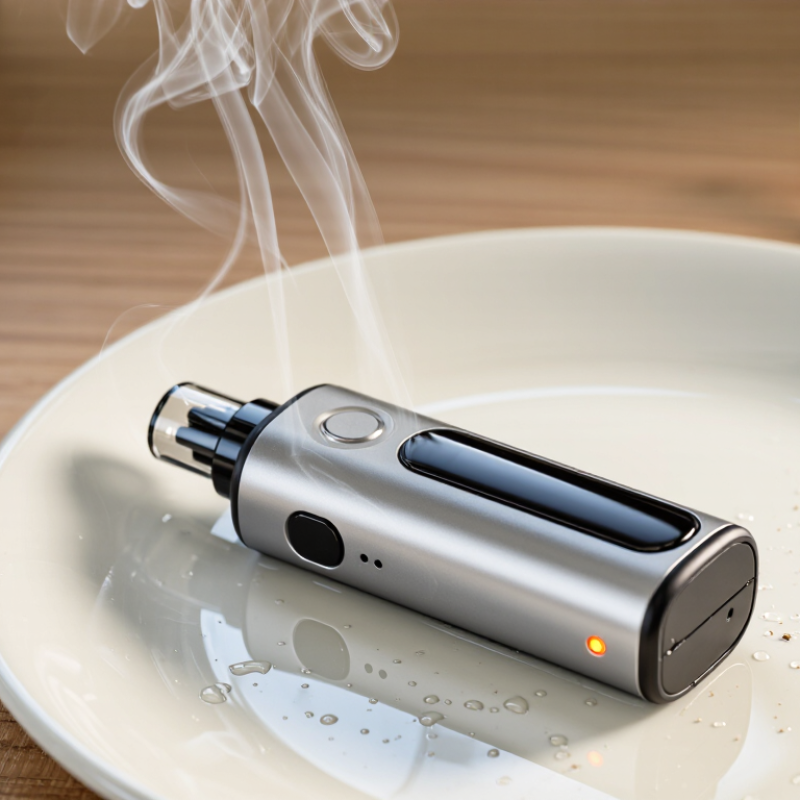
An auto-firing disposable vape activates without a deliberate puff. It may produce vapor, heat continuously, or make a faint hissing sound. The mouthpiece can feel warm, while the indicator light may stay on unexpectedly. These signs suggest a faulty sensor, moisture around the airflow path, internal damage, or a battery-control failure.
Stop using the device immediately. Do not inhale from it or press the mouthpiece repeatedly. Move it away from paper, fabric, sunlight, and other heat sources. Do not puncture, recharge, open, or attempt an improvised repair. It feels alarming. If the device becomes hot, smells unusual, leaks, swells, or smokes, leave the area and contact local emergency services. A cool, stable device should be handled only as advised by the seller or an approved waste facility.
China’s national standard sets a nicotine concentration limit of 20 mg/g for electronic cigarettes. This cap concerns nicotine content, not automatic firing or battery safety. A compliant nicotine level cannot prevent a damaged sensor from activating. Check the product label, batch details, purchase record, and visible damage before reporting the fault. In practical safety checks, people often focus on nicotine strength and overlook heat. That is an understandable mistake, but it can delay the right response. Do not rely on online disassembly videos; their advice may ignore local disposal rules and hidden battery risks.
China Top 10: Why Is My Disposable Vape Hitting By Itself?
Disposable vape auto-firing means the device activates and produces vapor without intentional inhalation or button operation. Common warning signs include continuous hissing or crackling, unexpected vapor, a hot mouthpiece or device body, rapid battery drain, and a burnt smell.
The chart compares published nicotine concentration limits. The units must not be directly converted without reliable liquid-density data: China states its limit as 20 mg/g, while the EU, UK, and Canada state theirs as 20 mg/mL.
If a disposable vape auto-fires, stop using it immediately. Do not charge, open, puncture, or place it near flammable materials. Move it to a cool, non-combustible location and follow local battery and electronic-waste guidance.
Regulatory references: China GB 41700-2022; EU Tobacco Products Directive 2014/40/EU; UK Tobacco and Related Products Regulations 2016; Health Canada vaping-product requirements.
Top 10 Causes: Draw-Sensor, Pressure-Switch, PCB, and Liquid-Leak Failures
A disposable vape that activates by itself usually has a control failure, not a normal heating cycle. The draw-sensor may detect airflow from a blocked mouthpiece, condensation, or a tiny pressure change inside the casing. A damaged pressure switch can behave similarly. Even a short puff may leave the indicator glowing and the coil warm.
Liquid leakage is another common trigger. E-liquid can reach the sensor chamber, PCB, or electrical contacts, creating unstable signals. The PCB may also suffer from moisture, solder cracks, or a failed transistor that keeps power flowing. Weak seals, rough handling, and temperature changes can worsen the problem. Diagnosis is not always clean. A dry-looking exterior does not prove the inside is safe.
The U.S. Fire Administration recorded 195 reported electronic-cigarette fires and explosions between 2009 and 2016. Its review linked many incidents to battery and electrical failures, showing why unexpected activation deserves caution. UL 8139, a recognized safety standard for electronic nicotine delivery systems, addresses abnormal operation, battery safety, and liquid exposure. If the device fires without drawing, becomes hot, leaks, or smells burnt, stop using it. Keep it away from combustible materials, children, and pets. Do not open, puncture, recharge, or repair a sealed disposable unit. FDA adverse-event reporting also shows that unusual heat, smoke, and malfunction should be treated as safety signals, not minor inconveniences.
Battery and Circuit Risks: 3.7 V Cells and IEC 62133-2 Safety Requirements
A disposable vape that activates without a draw may have a sensor, circuit, or battery fault. The problem can begin with condensed liquid near the airflow sensor. It may also involve a stuck pressure switch, damaged wiring, or a shorted MOSFET on the control board.
Most lithium cells used in these devices have a nominal voltage near 3.7 V. That voltage is not harmless. A faulty circuit can let current flow continuously, heating the coil and battery together. Warning signs include unexpected vapor, a warm casing, hissing, swelling, or a sharp chemical smell. Stop using it immediately. Do not charge, squeeze, puncture, or open the device. Place it on a nonflammable surface, away from paper, fabric, and direct heat, then follow local battery-disposal guidance.
IEC 62133-2 sets safety requirements and test methods for many portable lithium cells and batteries, especially rechargeable designs. Testing can examine overcharge, short circuits, vibration, crushing, and abnormal heating. However, a product mentioning a 3.7 V cell is not automatically compliant. A disposable device may use a different cell type, and certification claims require verification through reliable documentation. In practical inspections, I would record the device temperature, activation behavior, and visible damage without dismantling it. My earlier assumption was that auto-firing always meant a sensor failure; that is incomplete. Moisture, assembly damage, and protection-circuit defects can produce similar symptoms.
Step-by-Step Diagnosis Using Airflow, LED, Heat, and Continuous-Firing Checks
A disposable vape that activates by itself may have a stuck airflow sensor, internal moisture, or an electrical fault. Stop using it immediately. Do not inhale again, even if the device seems cool.
Begin with an airflow check. Look for condensation around the mouthpiece and gently wipe the exterior with a dry tissue. Never insert pins or sharp objects. Watch the LED without drawing. If it lights up by itself, the sensor may be detecting pressure changes or remaining activated. This test helps, but it is not conclusive.
Next, check heat. Hold the device near, not against, your hand. Unusual warmth, crackling, a burnt smell, or rapid LED flashing suggests continuous firing. Place it on concrete, ceramic, or another nonflammable surface, away from clothing, paper, children, and pets. Do not open, crush, charge, or repair it. If smoke, swelling, leaking, or intense heat appears, move away and contact local emergency services. A common mistake is waiting for the device to “cool down” while it keeps firing. That delay can increase risk. Dispose of the faulty unit through an approved battery or electronic-waste collection point, following local guidance. When uncertain, treat the device as unsafe.
When to Stop Using It: GB 41700-2022 Compliance and Fire-Safety Measures
China Top 10: Why Is My Disposable Vape Hitting By Itself?
A disposable vape that activates without inhalation may have a stuck sensor, liquid leakage, or an internal short circuit.
Stop using it immediately. Do not continue testing it in your hand.
GB 41700-2022 requires safety controls for overcharging, over-discharging, short circuits, and abnormal battery conditions.
However, compliance marking is not proof that a damaged device remains safe.
That distinction is easy to miss.
Place the device on a non-combustible surface, away from bedding, paper, and direct sunlight. If it feels hot, swells, hisses, smells sharp, or produces vapor alone, do not touch it unnecessarily.
Never puncture, crush, open, or recharge it.
The U.S. Fire Administration documented 195 electronic-cigarette fire and explosion incidents between 2009 and 2016, including 133 acute injuries.
This older dataset does not measure every current disposable device, but it shows why abnormal activation deserves attention.
If smoke or flames appear, leave the area and contact local emergency services.
After cooling, follow local battery or electronic-waste disposal rules.
I would not rely on a reset or a fresh charging cable; the fault may remain hidden.
Conclusion
If you are wondering, “why is my disposable vape hitting by itself,” the device may be experiencing an auto-firing fault. Common causes include a blocked or damaged draw sensor, a defective pressure switch, a malfunctioning circuit board, or e-liquid entering the internal electronics. Changes in airflow, condensation, physical impact, and manufacturing defects can also trigger unintended activation. Warning signs include a continuously glowing LED, unusual heat, repeated vapor production without inhaling, or a device that activates when left untouched.
Because disposable vapes use lithium-ion cells, often around 3.7 volts, uncontrolled firing can create overheating, battery damage, or fire risks. Diagnosis should be limited to safe external checks: place the device on a nonflammable surface, observe airflow and indicator behavior, and check whether it remains warm or active. Do not open, puncture, recharge, or attempt repairs. Stop using it immediately if it fires continuously, becomes hot, leaks, smells unusual, or shows swelling. Follow applicable GB 41700-2022 safety guidance and local disposal procedures.

 VEXEL Vape